Better collaboration and communication
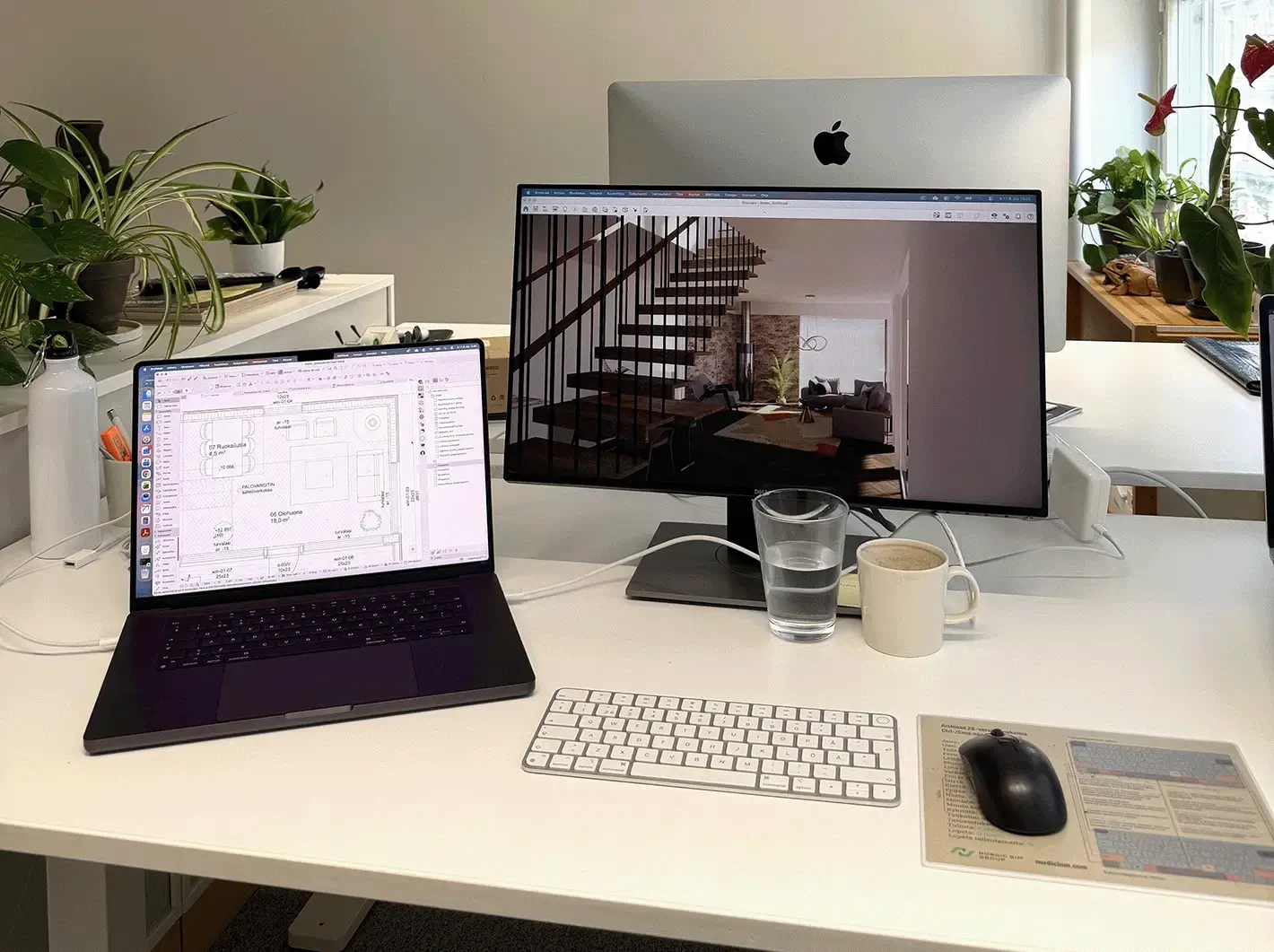
BIM keeps project data in one place, which makes collaboration and communication between team members far easier. Real-time updates keep everyone current and cut the miscommunication and errors that come from scattered files. The result is a smoother, more unified design process.
Faster store planning and layout
With BIM you build detailed 3D models of store layouts, which makes planning and visualising the end result straightforward. Decisions come faster, space is used better and the store environment ends up more functional and more appealing to customers.
Easy seasonal changes
BIM lets you adjust a store layout for seasonal change without starting over, so the space stays current all year. New product displays, campaigns and seasonal themes drop into the model quickly through a familiar interface.
Tighter cost and time control
BIM produces precise cost estimates and budgets, which lowers the risk of unforeseen spend. It also speeds up the design and build phases, shortens project duration and lets you open new stores or refit existing ones faster.
High-quality visuals
BIM makes it easy to produce lifelike 3D renders and virtual walkthroughs, so you can carry a design concept to stakeholders and customers with confidence. The same visuals are a strong tool for winning new business.
Digital transformation and process optimisation
Adopting BIM is an investment in digital transformation. You modernise your design process and work with current technology, which keeps you competitive in a fast-moving retail market and ready to adapt as expectations shift.
Sustainable store design
BIM gives you better analysis of energy efficiency, material use and waste reduction, which supports more sustainable store design. That serves the environment and the growing share of customers who care about it.
Building Information Modeling reshapes how retail teams work by improving collaboration, optimising processes and giving you room to flex. Put it to work and you transform the operation, clear the usual obstacles and stay a step ahead. To see the tools behind this, explore the Retail Solution for Archicad or read more about BIM for retail.
If you have a question about BIM for store design, get in touch.