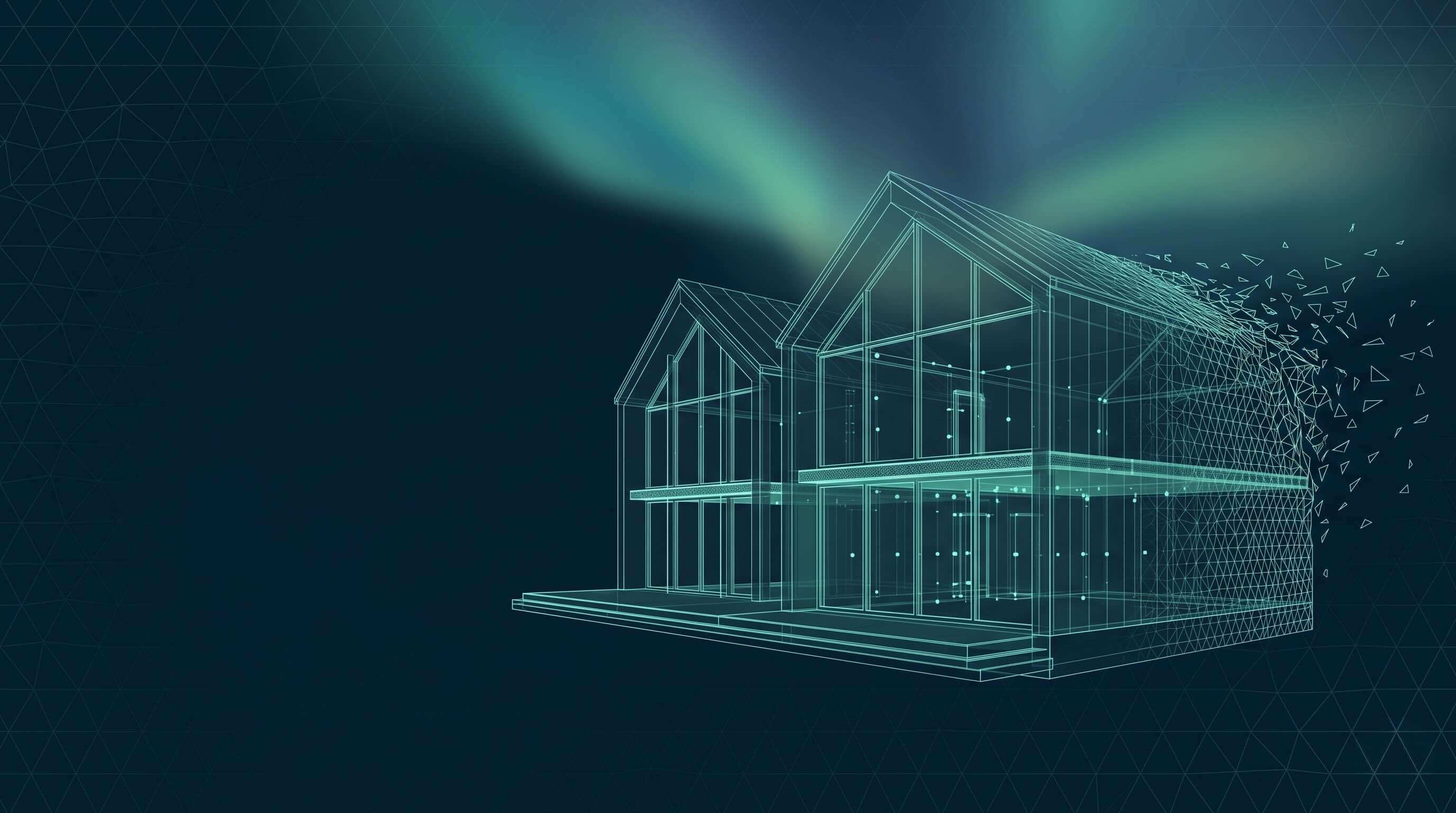
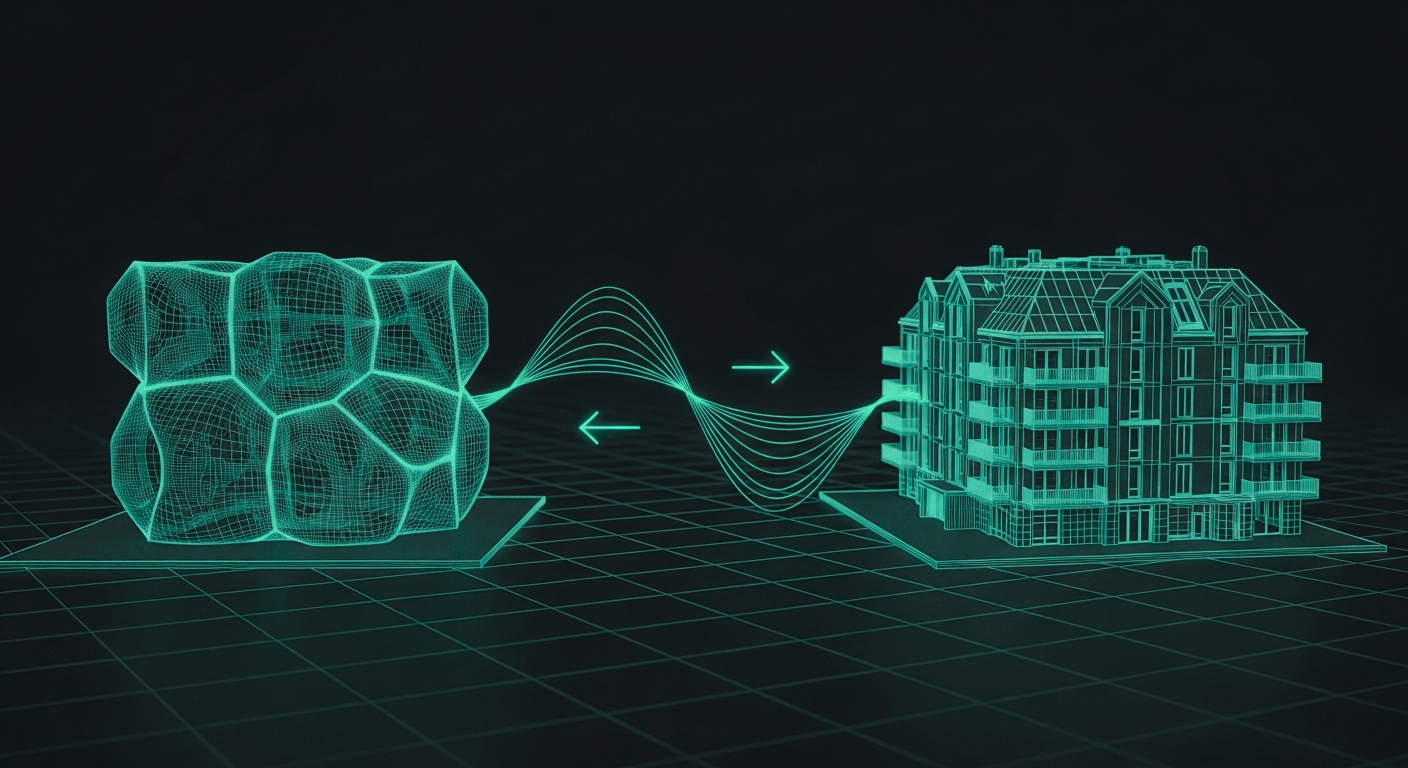
A digital twin is a living digital copy of a real building, connected to it by live data, so you can understand and run the building from one place.
Here is what that means and how to start.
A digital twin is a living digital copy of a real building, connected to it by live data, so you can understand and run the building from one place.
Here is what that means and how to start.
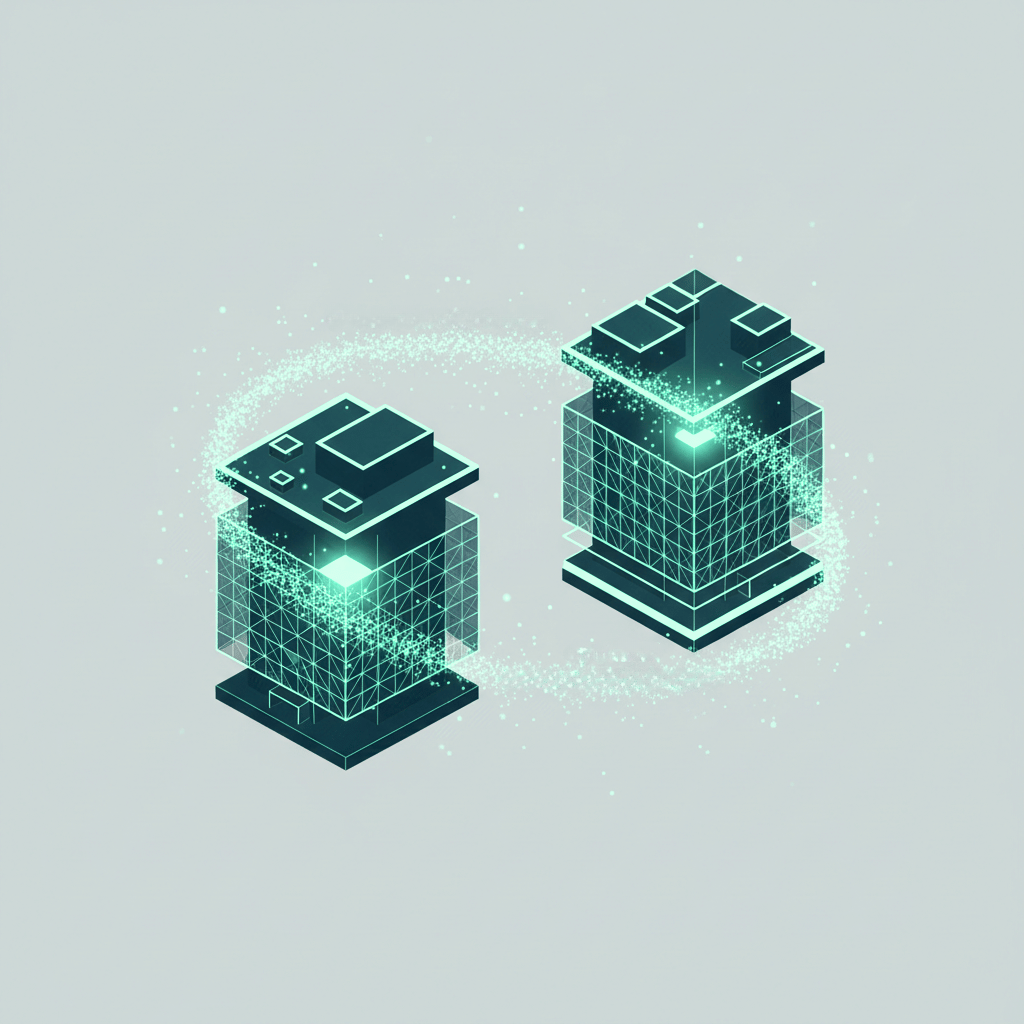
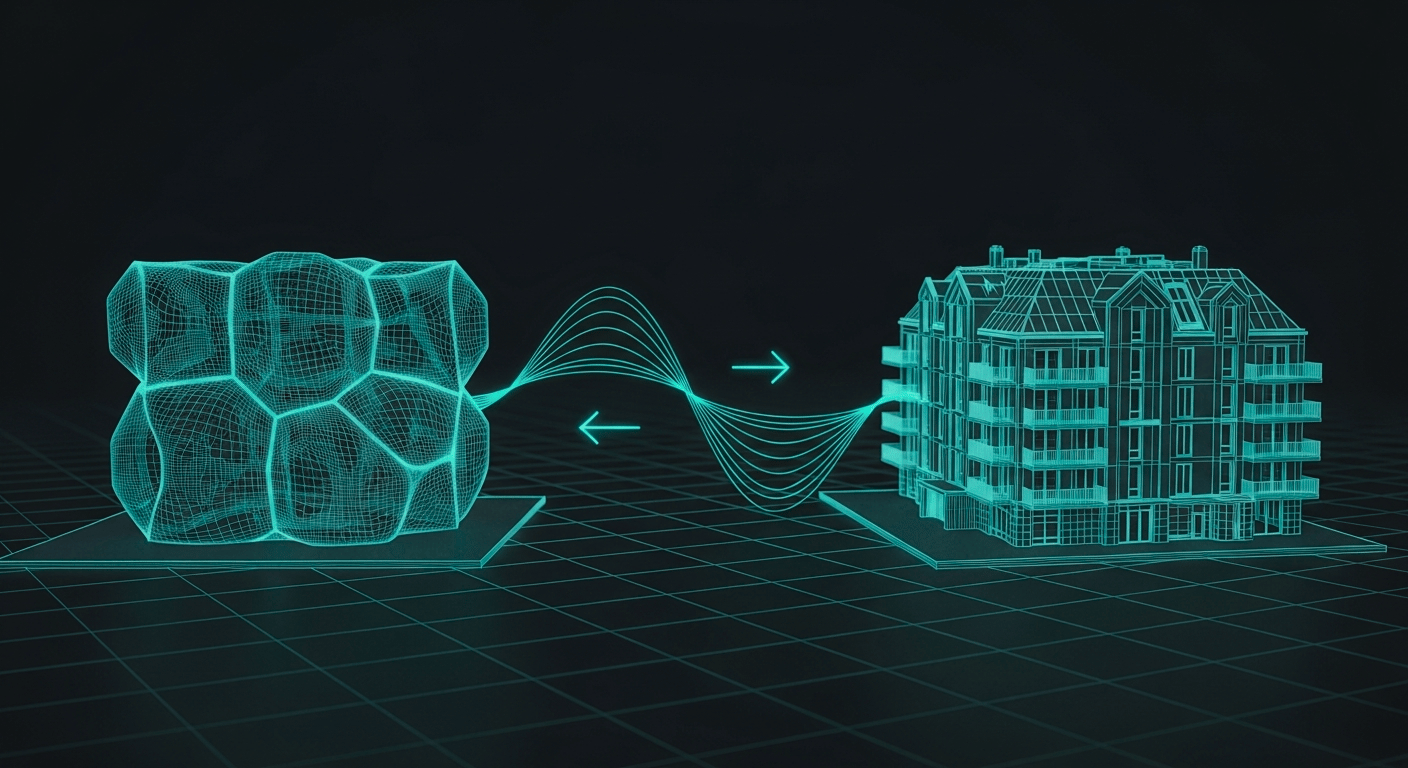
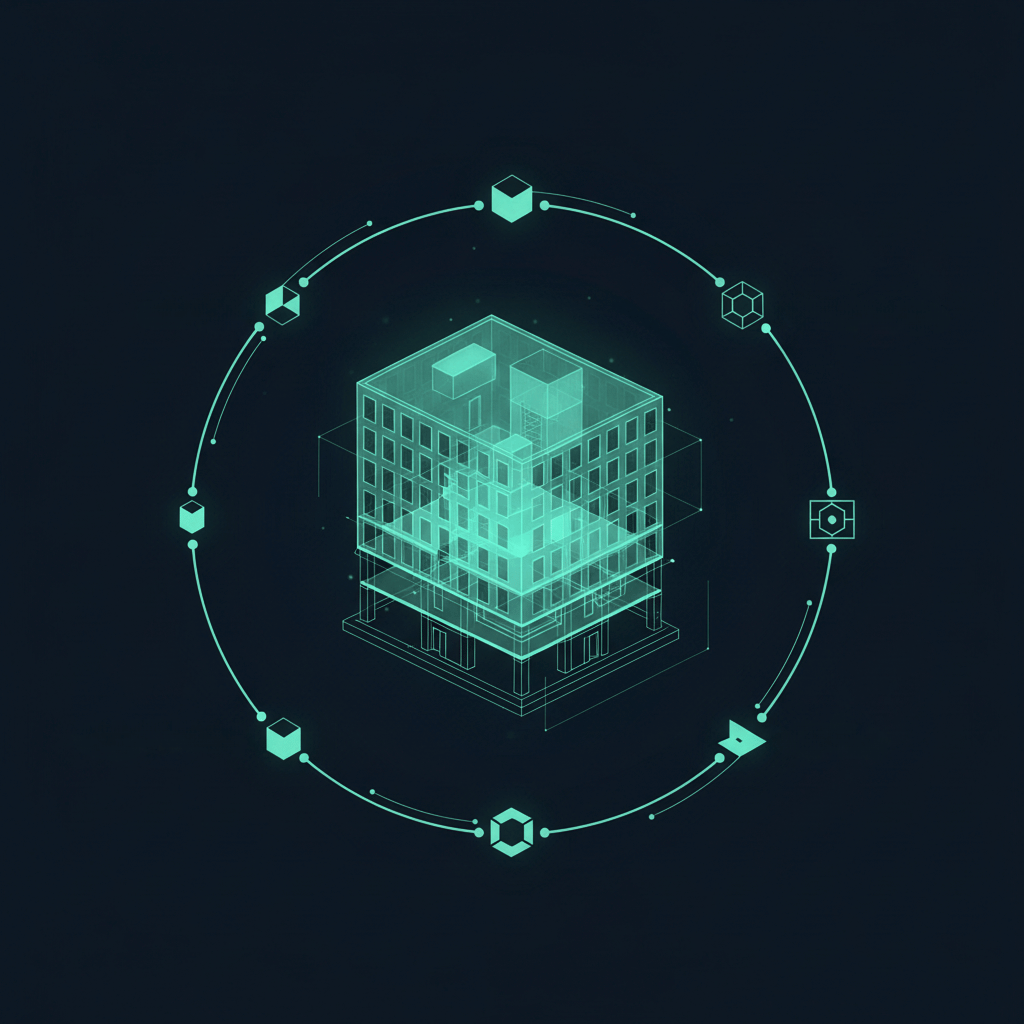
A digital twin is a digital copy of something real, here a building, connected to its physical counterpart and kept current with live data. The model is built using BIM, so it starts as an accurate, data-rich 3D representation.
A 3D model on its own is only a geometric twin. It becomes a digital twin when sensors or the building's management system feed real data into it, things like heating, cooling, light, water and air.
With that live connection the model can be analysed, and the results used to make informed decisions about energy, indoor climate and how the building is used. Without the data link, you have a model, not a twin, and that distinction is the whole point.
A digital twin earns its place in daily operation. This is where the value sits.
All the information about a property in one place. You see how the building is used, where energy goes and where it needs upgrading, across the whole portfolio instead of scattered across systems and PDFs.
The built environment uses a large share of the world's materials and energy, so running existing buildings better is one of the biggest levers we have.
A digital twin helps directly. It shows where energy is actually used, so the largest savings become visible and measurable. It supports material reuse and documentation, because the data needed to judge a product's life-cycle impact lives in the model rather than in PDFs no one reads.
Machine-readable environmental data, such as EPDs, lets teams compare options on real impact instead of guessing. To measure environmental impact across the life cycle, see Anavitor LCA.
A digital twin is built on a BIM model. The model is the structured, data-rich 3D representation that the live data attaches to, which is why a twin is only as good as the model underneath it.
If you are new to BIM, our guide to BIM explains the model and how it is made, and our openBIM guide covers the open standards that keep the data usable over the long life of a building.
Get the model right and the twin has something solid to stand on.
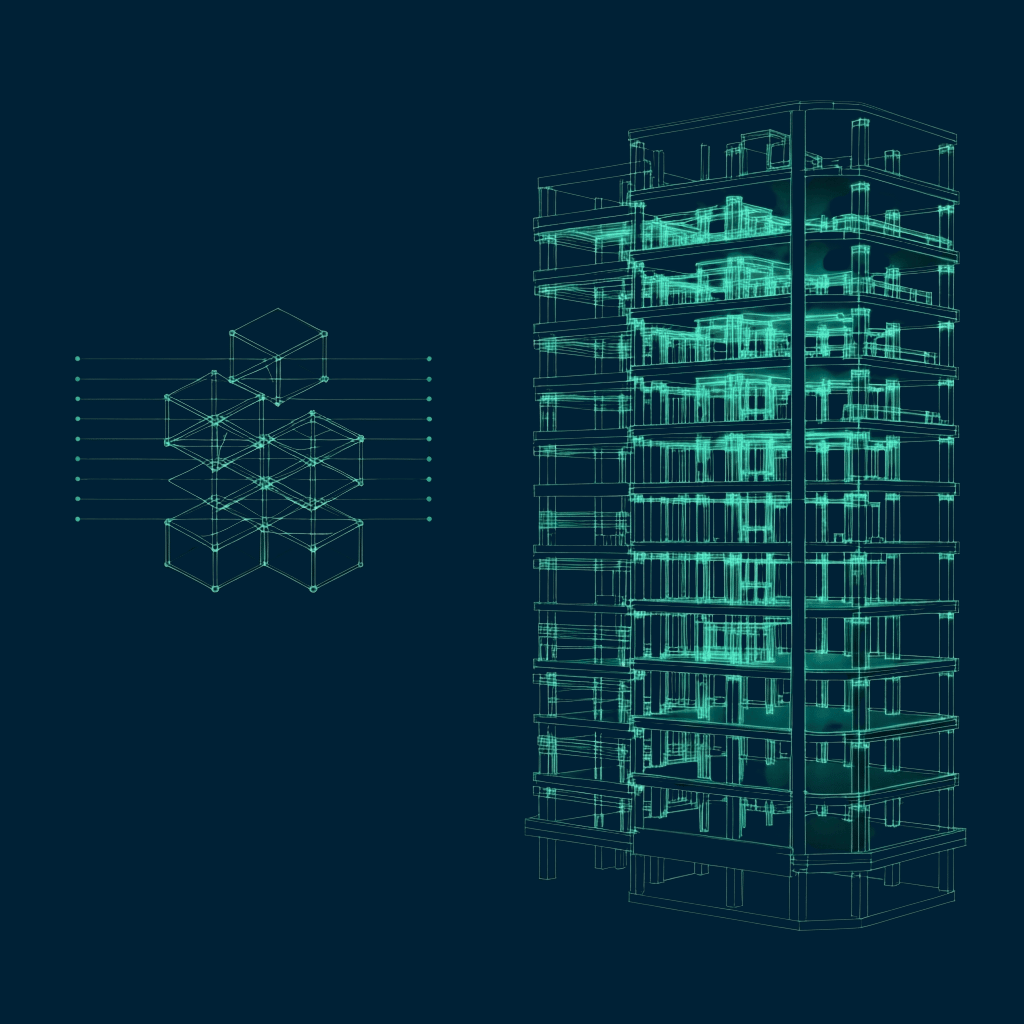
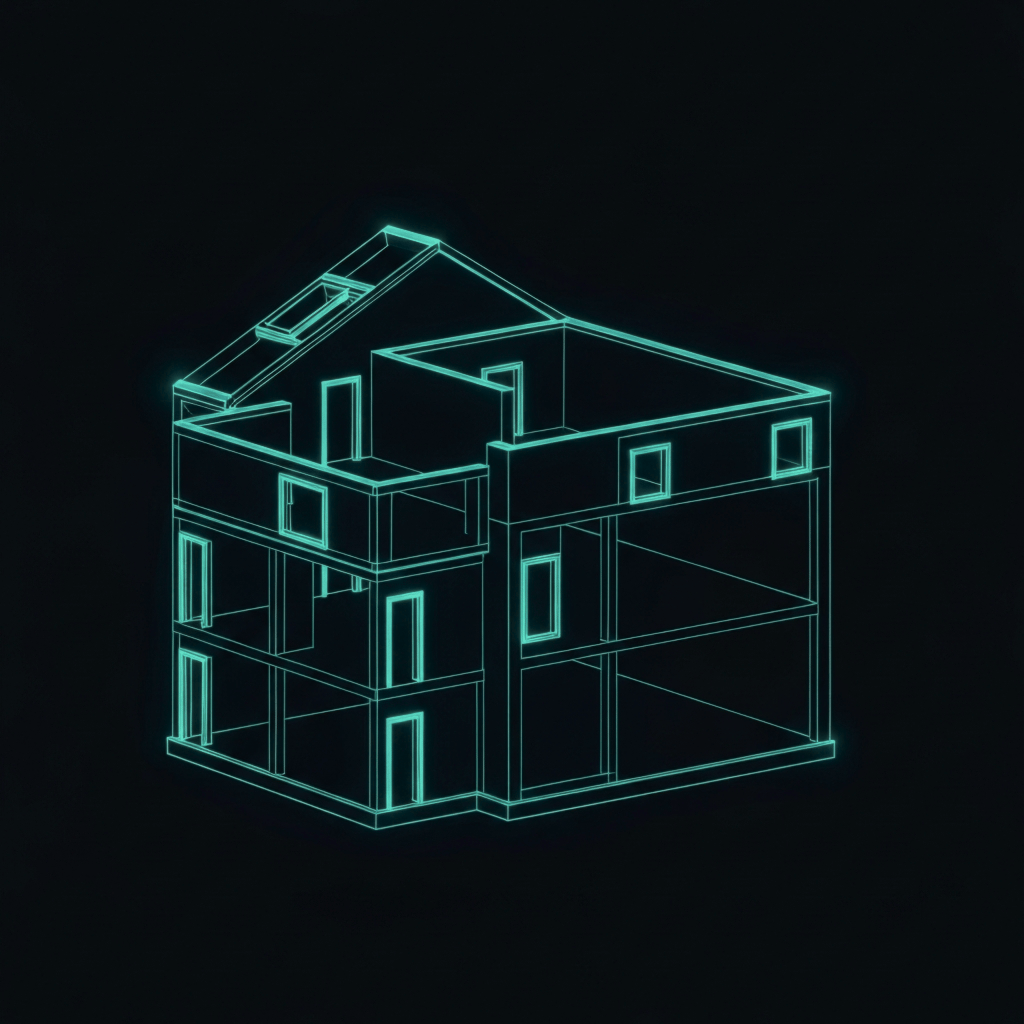
You do not need a full model of every building to start. Most new buildings already have a BIM model. For existing ones, a slimBIM is enough: a simpler model of the shell and main structures, walls, floors, roofs, doors and windows.
From there you connect the physical building to the digital model with sensors, an existing building-management system or both, and data begins to flow. The first step is small, and you add detail as you go.
You can read more about slimBIM in our guide to BIM, and the model itself is built in Archicad.
A digital copy of a real building, connected to it by live data from sensors or building systems, so the model reflects the real building and can be used to run it.
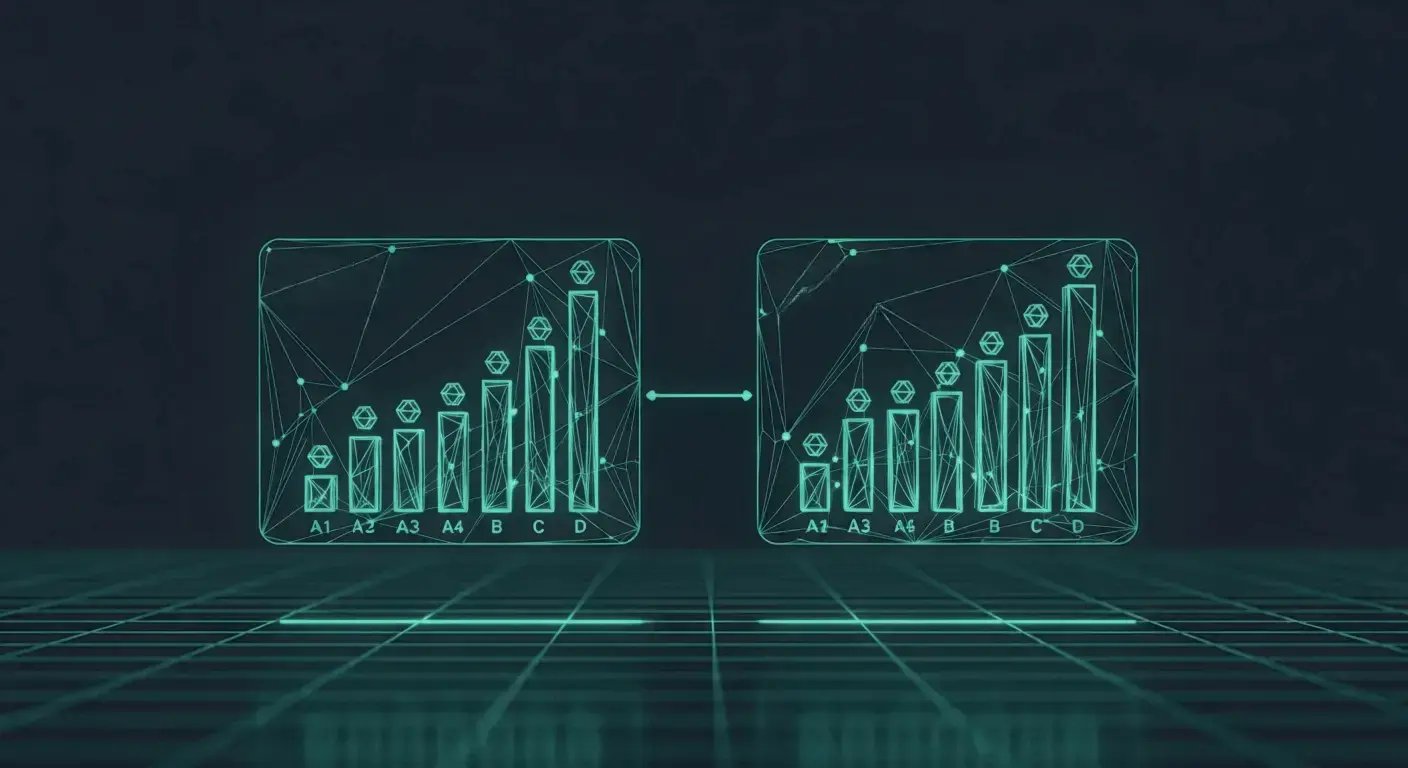
Compare materials and document life-cycle impact with Anavitor LCA.