openBIM is an open, vendor-neutral way of working in BIM, built so project data stays usable across every tool and every stage of a building.


What openBIM is
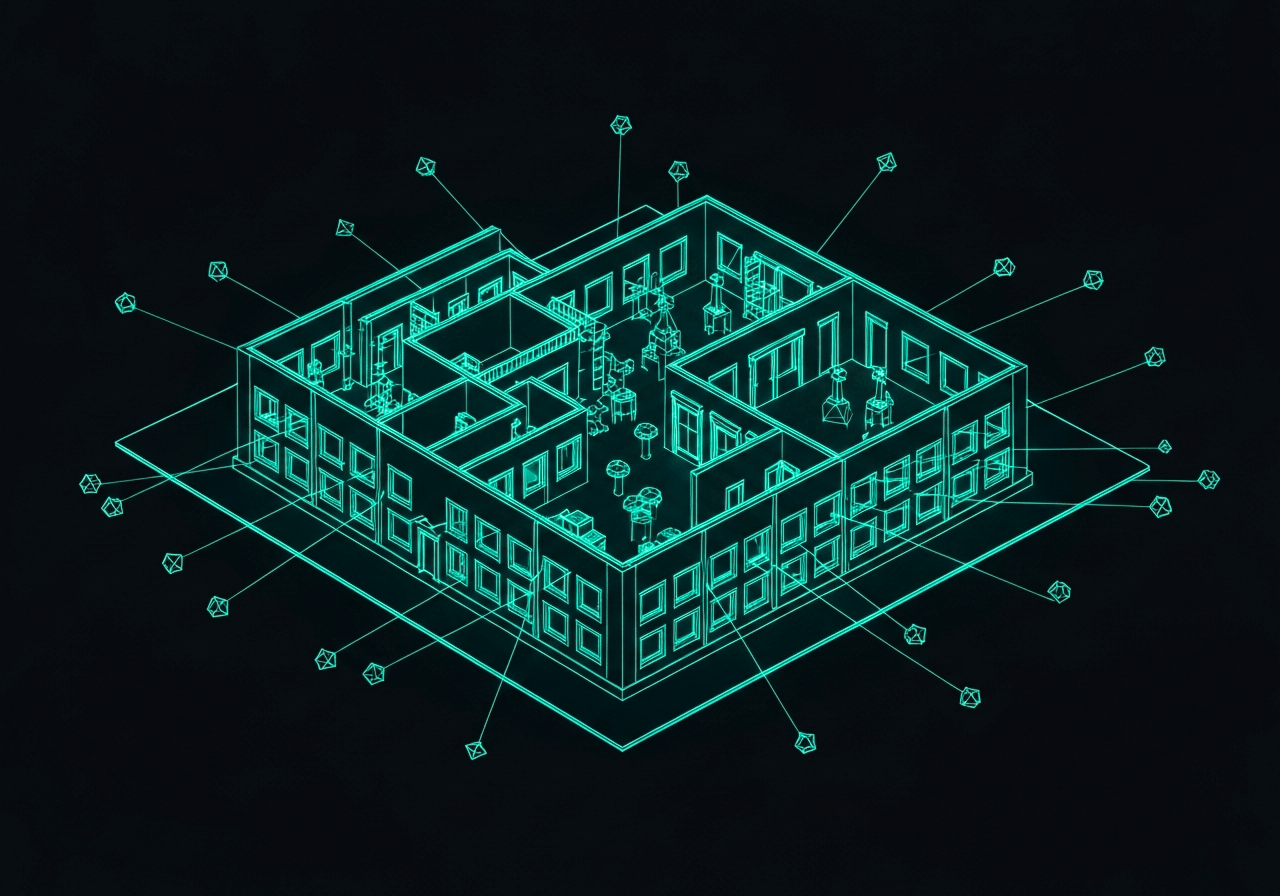
openBIM is a way of running BIM projects on open, shared standards instead of one company's file format. It was developed by buildingSMART, the international body behind the open data standards used across architecture, engineering and construction.
At its core is the IFC data model, a neutral format that any compliant tool can read and write. That one decision changes how a project works.
Each discipline keeps the software it knows, the model still moves cleanly between them and the information stays readable for the life of the building rather than getting locked inside a tool that someone may not own in ten years.
The open standards
The standards are what make openBIM work in practice. Three matter most.
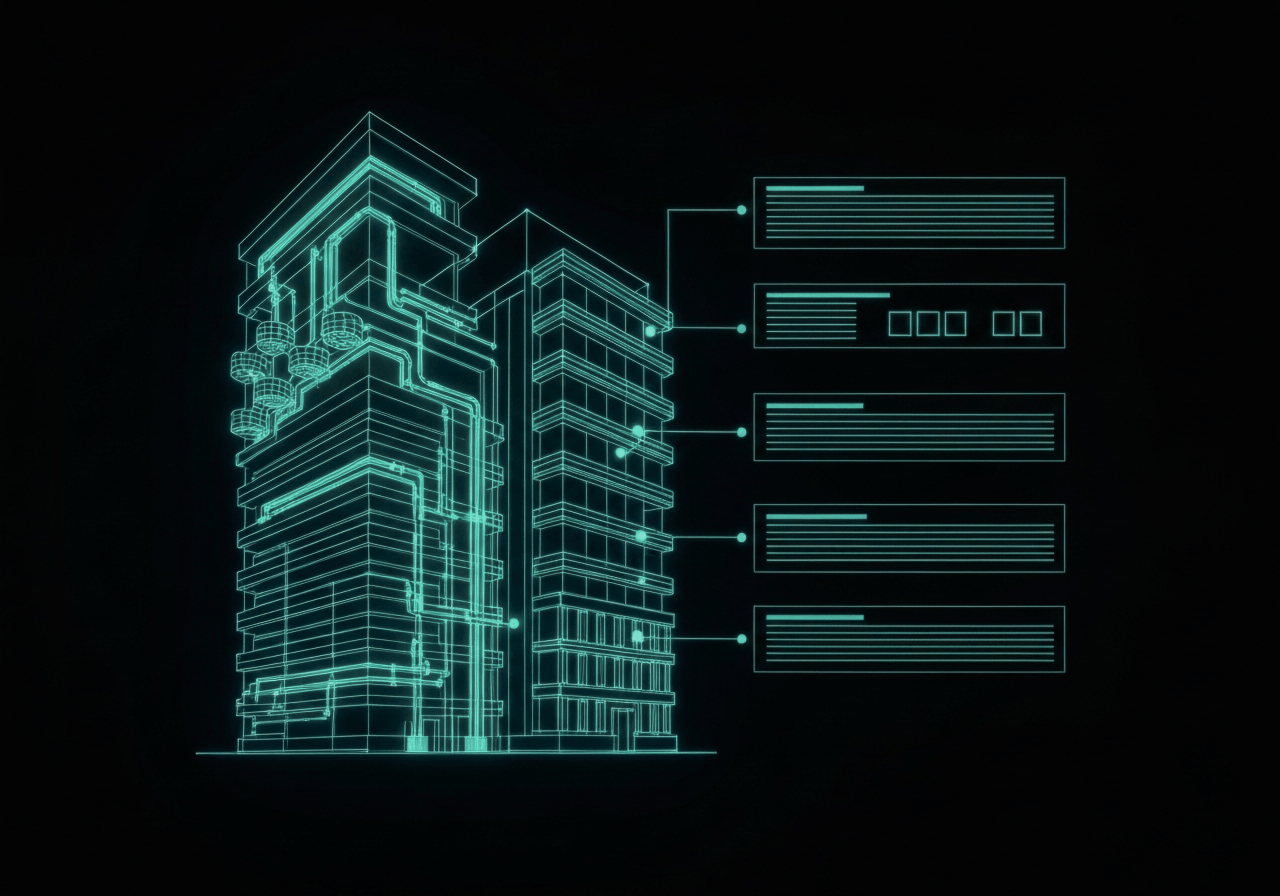
Industry Foundation Classes is the core openBIM data model. It describes a building in a neutral format that covers walls, floors, doors, systems and their properties, so the model can pass between tools without losing its meaning. IFC is the reason a structural engineer and an architect using different software can still work from the same building.

Who openBIM is for
openBIM serves everyone who touches a building through its life, not one role.
Architects use it to share design intent without losing control of the model. Structural, mechanical and electrical engineers bring their specialist models into one coordinated whole. Contractors plan and build from accurate, current information. Owners and facility managers inherit data they can run the building on for decades. Regulators and public clients increasingly ask for it, because open formats keep a project auditable. Manufacturers, educators and researchers all work better when the data is open rather than locked.
If your work depends on someone else's model, openBIM is for you.


How an openBIM process works
An openBIM project runs as a continuous exchange rather than a relay of locked files.
It starts with the project goals and how the team will share information. Each discipline models in its own tool, then exchanges IFC models so the work can be coordinated and checked. Issues are raised and resolved through BCF as the design develops, and the coordinated model carries through into construction, where it is kept current against what is actually being built.
At handover, the as-built model and its COBie data pass to the owner, who uses it to operate and maintain the building and as the reference for any future renovation. Open standards hold the chain together at every step.
Tools in an openBIM workflow
openBIM is a way of working, not a single product. A typical workflow uses a few tool types together, and these are the ones we deliver and support across the Nordics.

Authoring
Archicad is where architects model the building and export clean IFC for everyone downstream. It was built for design work and it writes and reads open formats as a first-class part of the job.
Checking and issue management
Solibri validates the model against rules, finds clashes, and manages issues through BCF. We are a Solibri certified training team, and our Norwegian and Swedish adaptations ship local roles, rule sets, and classifications so teams produce to local standards from day one.
Shared collaboration
BIMcloud gives distributed teams one place to work on the same model in real time, which keeps coordination current instead of catching up by email.

Review and handover
BIMx opens the model to people who do not run BIM software, on site or in a client meeting, so the information reaches everyone who needs it.