Have you ever asked a five-year-old what their dream job is? The answer is fairly likely to be firefighter. Or vet. Possibly unicorn. If it was Philip Ay you asked, the answer would have come quickly and clearly: architect! Unlike most future vets and unicorns, that is exactly how it turned out for this particular five-year-old.
From Lego to the drawing board
When you meet Philip, you understand that everything has fallen into place. Because he breathes, lives, and is architecture. An inspired and inspiring childhood dream, lived out at the offices in central Göteborg.
"A few years ago I found a letter I had written to myself in primary school. The idea was that we would read it again after 20 years, and there it was. That I wanted to become an architect. It feels like I have always known it!"
Philip talks about his first encounter with Lego: "I loved it. From the very first moment. The colours, all the possibilities. Of course I built houses no one could live in, but Lego gave me the chance to shape what I pictured inside my head. It was fantastic!"
 Lego-Philip
The inspiration has not come only from the Danish toy bricks. "Frank Lloyd Wright's 'Fallingwater' still takes my breath away. I am almost moved when I talk about it, because it is so beautiful and all-consuming somehow. In many ways you could say it has shaped me as an architect."
A digital everyday
In an architect's everyday work today, many tasks have moved over into the digital world. It goes fast and gives endless possibilities when it comes to room plans, material calculations, and a focus on sustainability. "Now I and the rest of the team draw a 3D model so detailed that everyone can also use it for construction and management. We know ALL the values, all the measurements, everything is inside the program. All of a sudden you have freed up masses of time to look more at the design!"
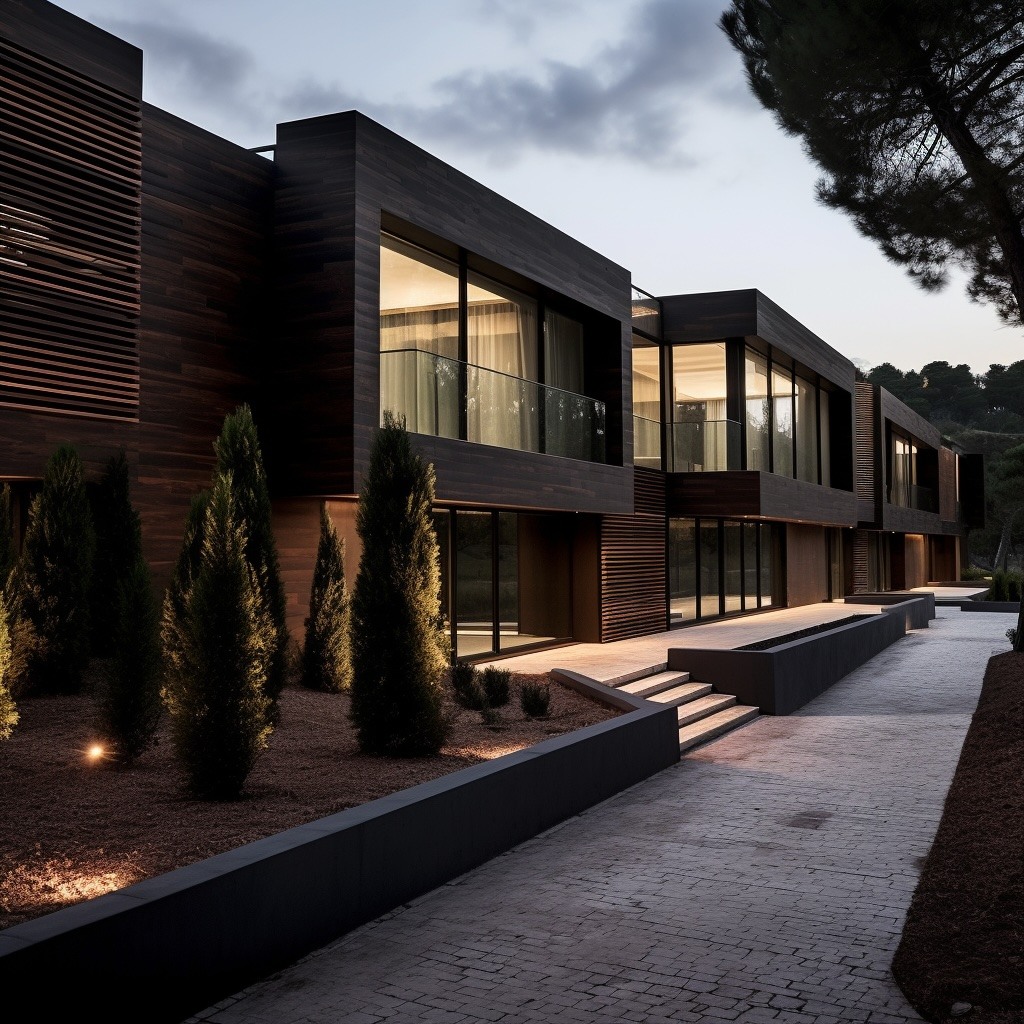
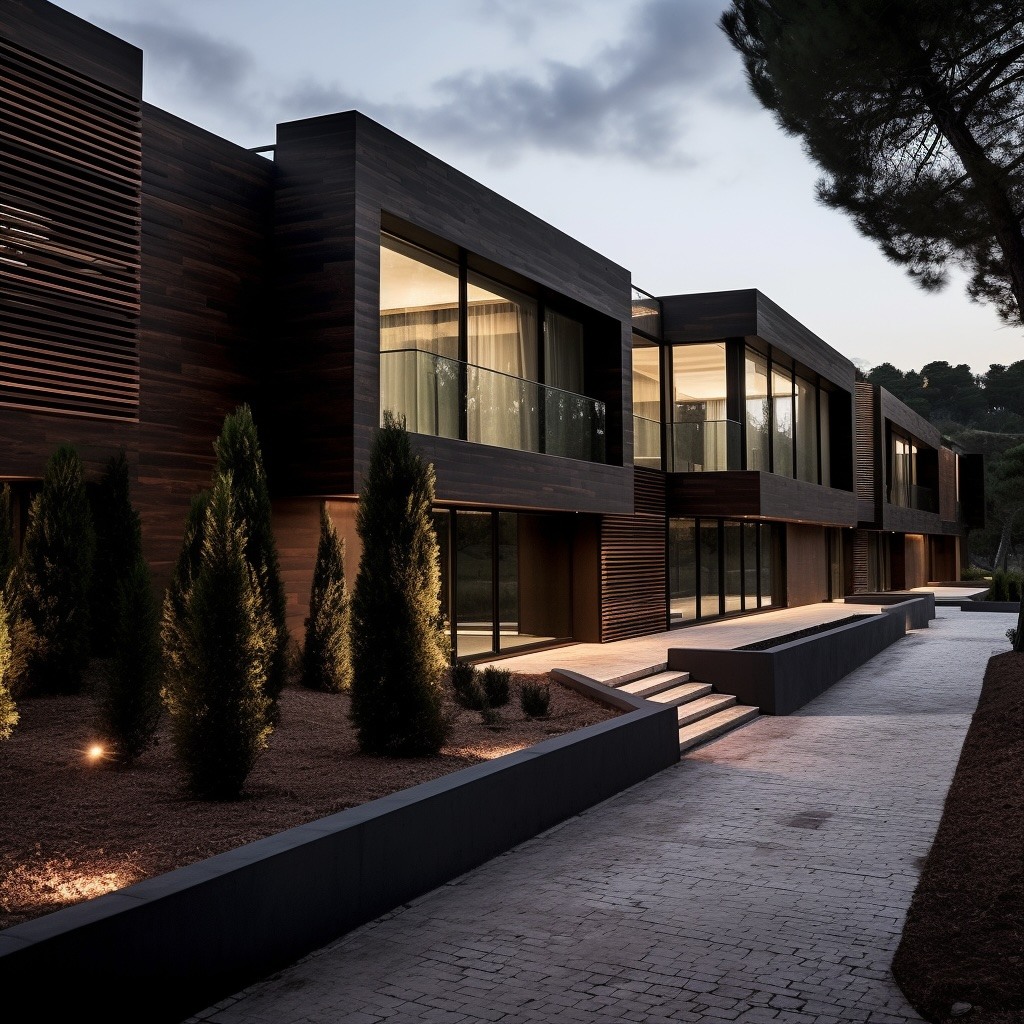 Architectural visualisation of the Residencia Oscura Moderna house project by Philip Ay.
And what should all that time be used for? "I would most of all like to use it to find new solutions, ones that maybe provoke or challenge the customer a little. Because it is when we push a little at the limits of what we are used to that we get the new. The thing that shapes our time and stands as the architectural signature of our era."
The future
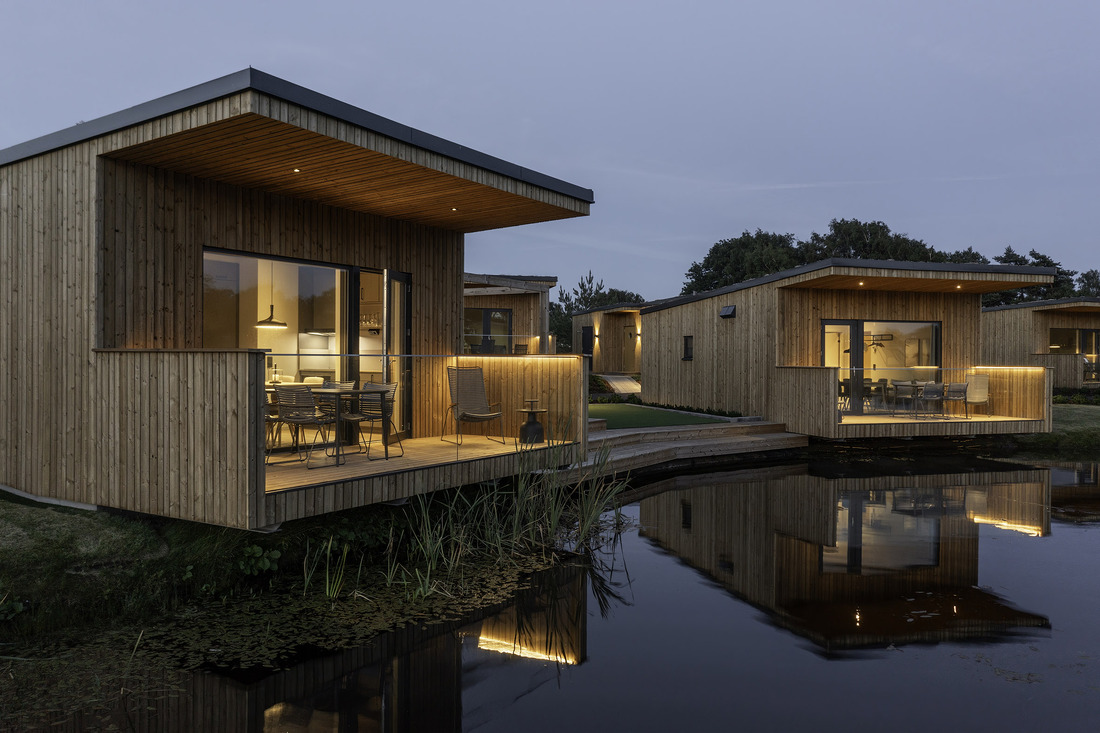
So what will the future actually look like? Today Philip draws modular houses for people to live and feel at home in. These houses are designed to create a harmonious and functional living environment, while offering a base that is flexible and adaptable. Philip sees this as a chance to explore new and creative solutions. Each project can be developed to meet the unique needs and wishes of the customers, which leaves room for inventive and exciting design ideas. "At the same time, I believe that all the new automated processes will lead to even higher expectations of us architects over time, and I actually welcome that."
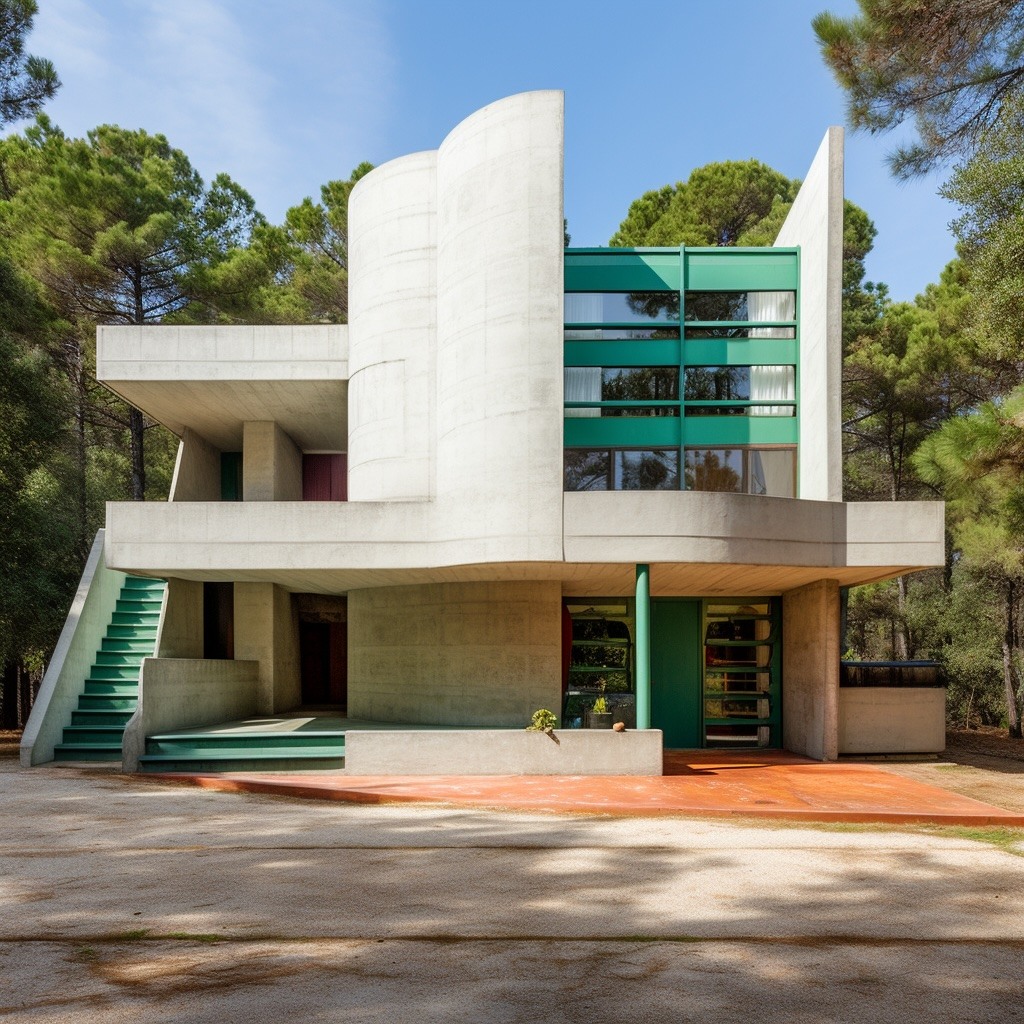 Architectural visualisation of the Villa Bruta Verde house project by Philip Ay.
"With AI coming in at full speed, I will be able to spend even more time on actually understanding my customers. I will be able to challenge them, get to know them, and together we can create a home they can live in that feels completely like theirs." Philip takes a deep breath and talks eagerly about his thoughts on the importance of human-to-human encounters: "I do not think we will manage without them. I think we need them. And I do not think artificial intelligence will ever be able to truly understand what we humans need. For that we need each other!"
In other words, Philip is not afraid that a robot will take his childhood dream away from him any time soon. He keeps dreaming of new houses with new stories. "Getting to draw the dream house for my loved one and me, that is high on the list right now. And for my parents..." And what he would most of all like to do to challenge the norm in his own home? "Sand across the whole bathroom floor! And a shower across the entire room. And maybe a slide down to the laundry room!"
You can perhaps grow out of childhood dreams, but they probably never disappear completely.
Do you want to be the next Architect of the Month? Share your story with us.