From the Drawing Board to Digital Pioneer
When Vidar opened Archicad for the first time in the early ’90s, digital architecture was still an experiment. The software was unfinished, the industry was skeptical, and there was no established method to rely on. He learned by drawing, not by reading manuals, but by sitting down with a project and working his way through it.
It’s an approach he’s never abandoned: "If you want to understand a tool, you have to use it for something real. Everything else is theory."
Three words, one rule of thumb
The Vidar Fagerheim Architecture Office is based on Vitruvius’s classical triad from antiquity: Beauty. Utility. Durability.
For Fagerheim, this is not a philosophical exercise. It is a checklist he applies to every project he undertakes. A building must be beautiful, it must serve the purpose for which it was created, and it must stand the test of time. Three requirements. All three must be met.
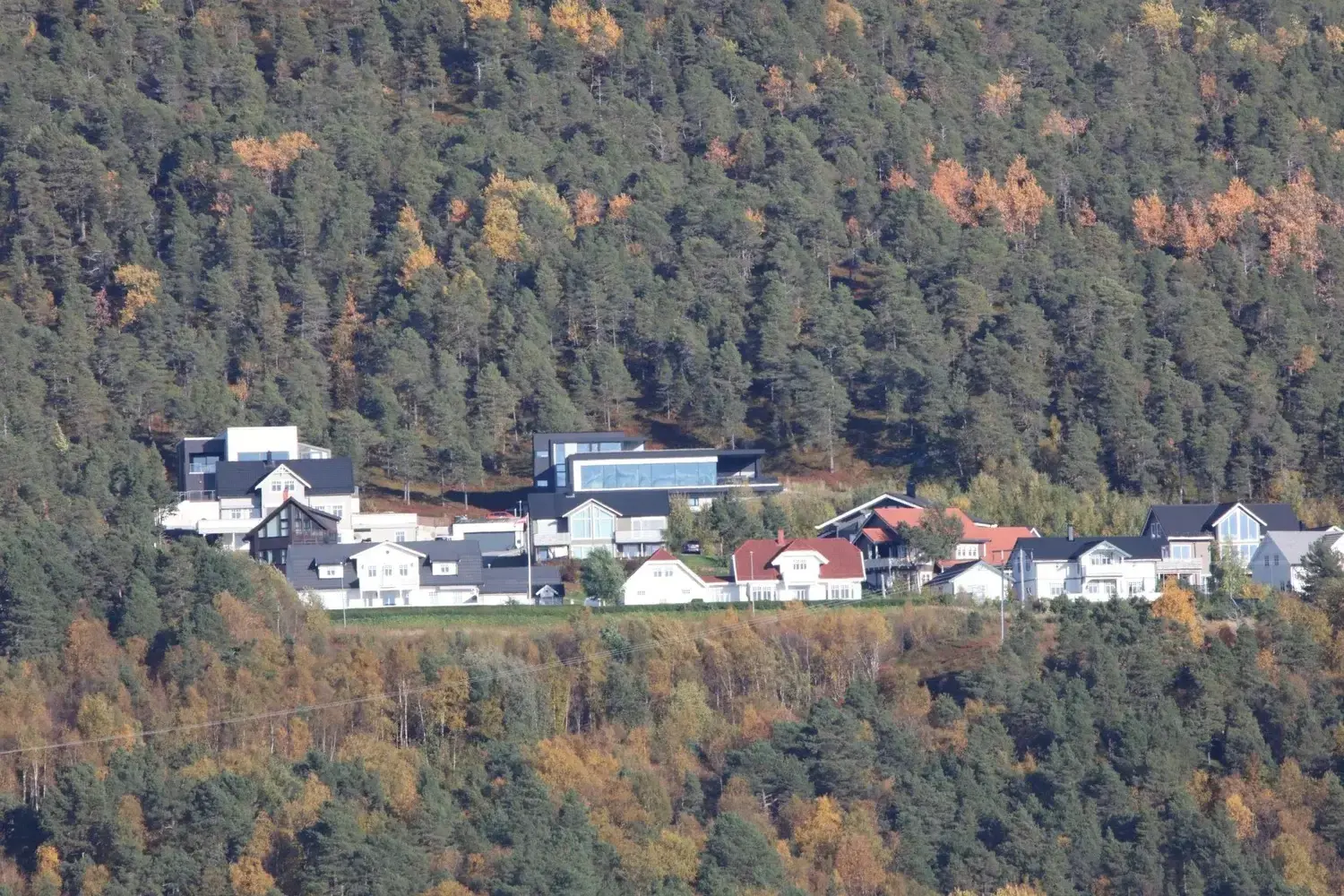
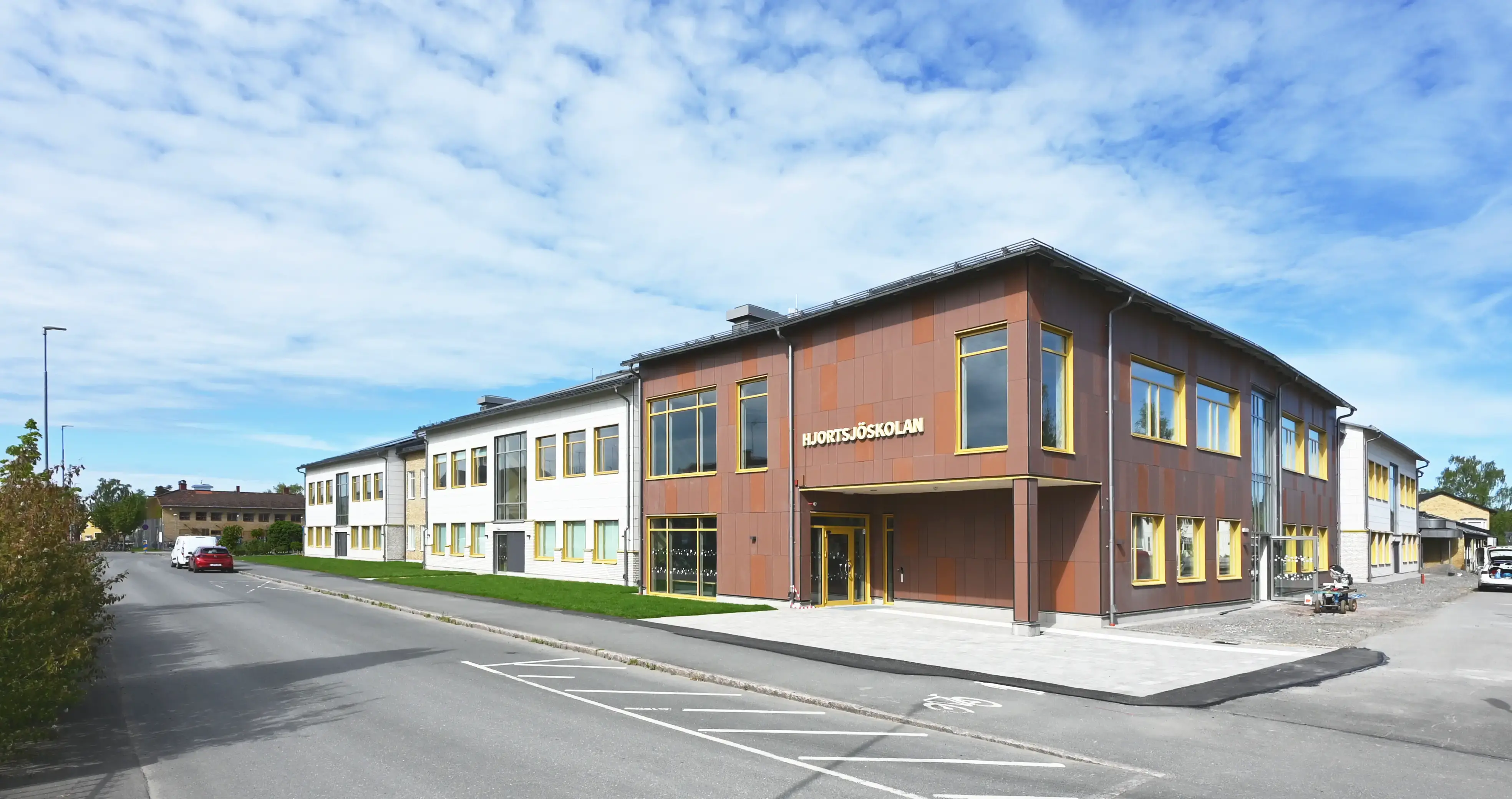
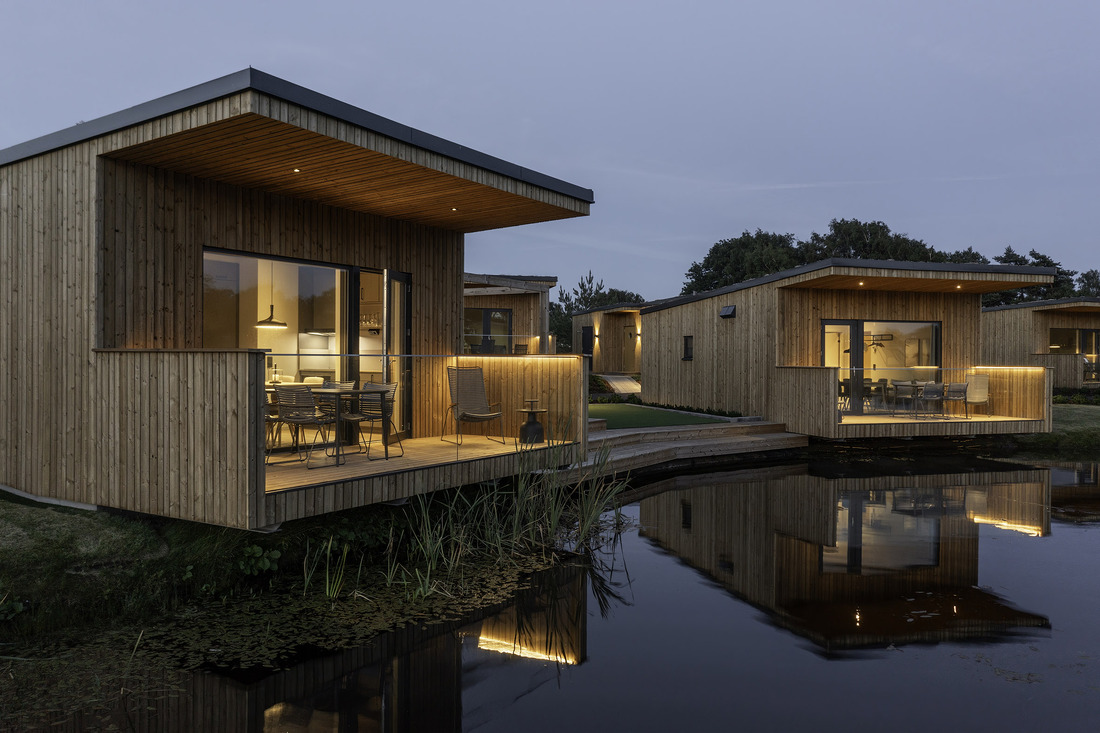
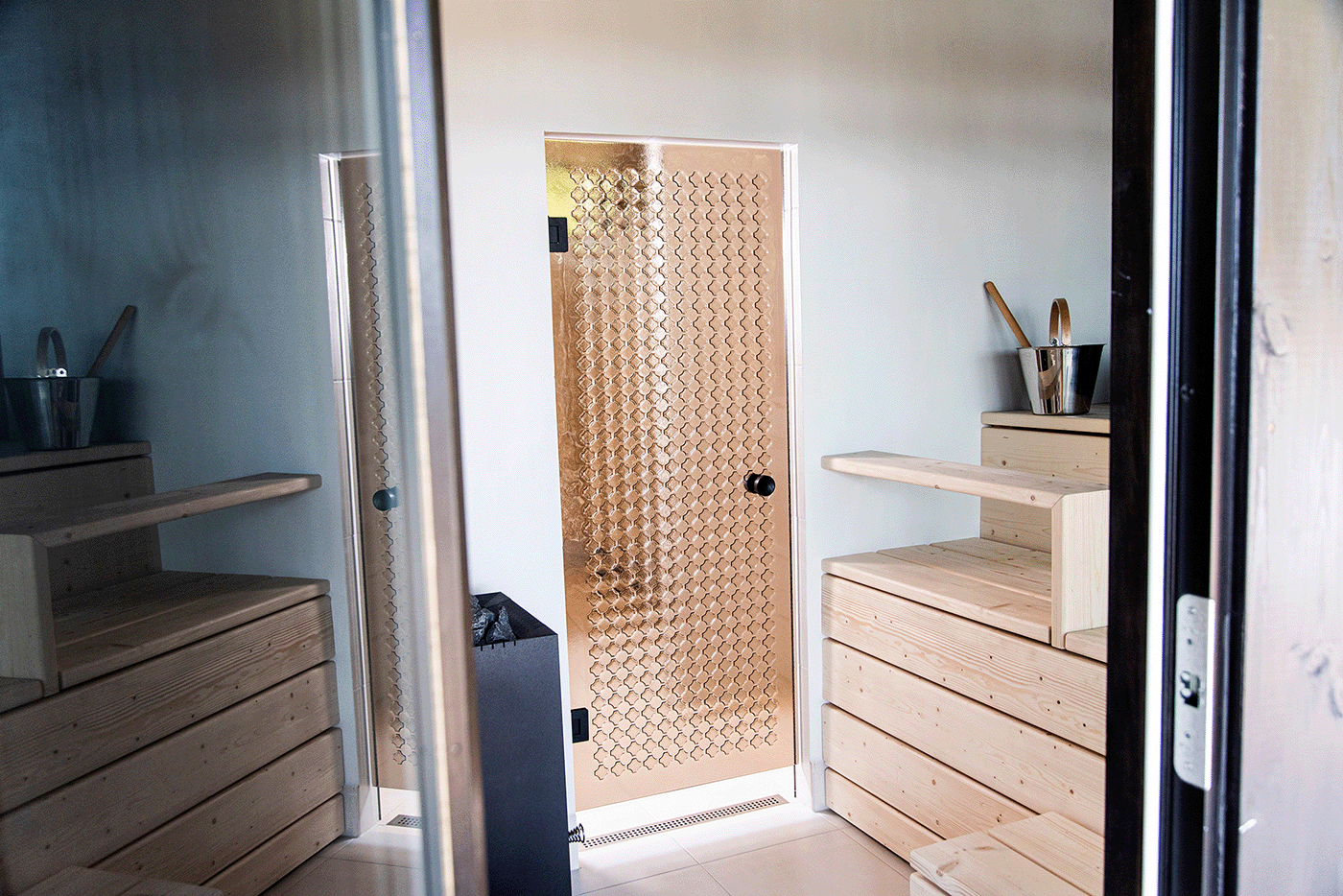
Vidar has a deliberately broad portfolio: urban design, commercial buildings, churches, schools, residential buildings, interior design, and furniture design. This breadth is no accident; it keeps his focus sharp and prevents him from solving every problem with the same approach over and over again.
Projects from the portfolio
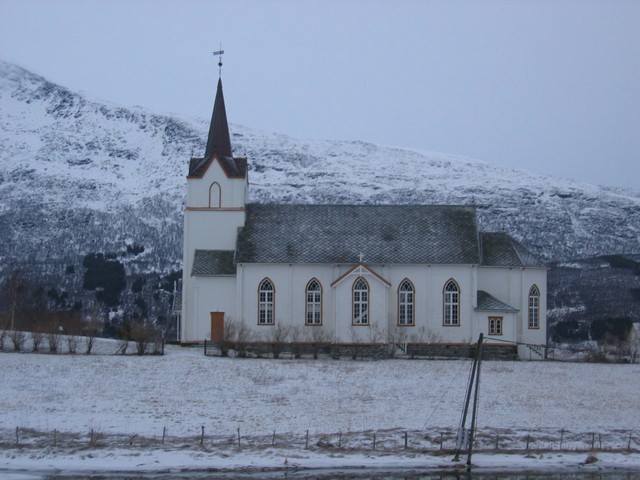
The restoration of Tjelsund Church in Nordland is one of the projects that clearly illustrate Fagerheim’s approach. Church buildings with historical character present different challenges than new construction; you’re working with something that’s already there, that has intrinsic value, and where flaws remain visible long after the building has been completed.
The design of the church spire required precision in the digital workflow. The geometry had to be correct. The structural logic had to hold up. Archicad was at the heart of the work; not as a drawing program, but as a tool for understanding and communicating a complex building.
This is precisely where Fagerheim believes expertise in the tool makes a real difference: “Quality is measured by the absence of errors. In-depth software knowledge isn’t about using advanced features for their own sake; it’s about producing deliverables that are accurate."
Archicad as a Work Tool
Archicad is at the heart of Fagerheim’s work. After decades of using the program, he has a close relationship with it; he knows what it can do, and just as importantly, he knows what it can’t do, and what he’ll need to bring in from elsewhere.
Fagerheim was practically born into the profession, with an innate ability to see shapes, light, and solutions wherever he goes. In most of his projects, he has faced resistance from municipalities and clients, but the buildings still stand.
In the early stages of a project, pen and paper work well; forms are created and solutions are devised. Then it must be demonstrated and visualized. Even though Vidar sees it clearly in his mind’s eye, everyone involved in building the project must understand that it’s possible. This is where Archicad comes in; in just a few hours, everything Fagerheim has envisioned is brought to life.
The surrounding environment
For many years, Fagerheim has shared office space with mmw architects in Oslo, an environment where experienced architects and enthusiastic students come together. For someone who works alone, this is invaluable: ideas must withstand critical scrutiny to become good. It keeps you sharp in a different way than when you’re just debating with yourself.
He sees the young people coming in with new tools and nimble fingers, and he isn’t nostalgic for that reason. What he wants them to understand is something else: that the tools alone aren’t enough. It’s what you do with them that determines the result.
The blank page
While some architects fear an empty space and a project without a clear answer, Fagerheim draws energy from it. The freedom of an unexplored project isn’t a problem, it’s the point.
After more than four decades in the industry, he’s still driven by the same thing: finding a solution that’s beautiful, serves its purpose, and lasts. And sometimes, when a project seems impossible, he reminds himself that the impossible just takes a little more time.
Want to be next month’s architect? Share your story with us.