At a time when efficiency and digitalisation are absolutely crucial, Willa Nordic has taken an important step toward refining its work processes. The transition to Archicad and ArchiFrame has been a deliberate and structured journey, marked by close collaboration, great patience, and a realistic approach to ensure a smooth implementation. And perhaps the most important success factor of all? It already existed inside the organisation.
Careful evaluation
The whole process began with a reflection on the existing CAD software. Willa Nordic, which has a cross-disciplinary team of architects, engineers, and technicians, started asking the question: do we have the right tools to collaborate effectively? The software they were using felt somewhat outdated, and it became clear that it was time to look at the alternatives.
Kristoffer Olofsgård is design and engineering manager at Willa Nordic, and he says they needed a tool that could support their goal of staying at the forefront of development.
"It was a natural reflection. We needed to find something better that could help us work more efficiently," he says. After a careful evaluation of several alternatives, including Vertex and Revit, the choice fell on Archicad and ArchiFrame.
Kristoffer and his team worked methodically. Over more than a year, they ran several tests and meetings with suppliers, and it gradually became clear that Archicad could be the solution they needed.
"We knew there are always pros and cons with different tools, but we felt Archicad was the best choice for us," says Kristoffer. The whole team, from architects to engineers, was involved in the decision.
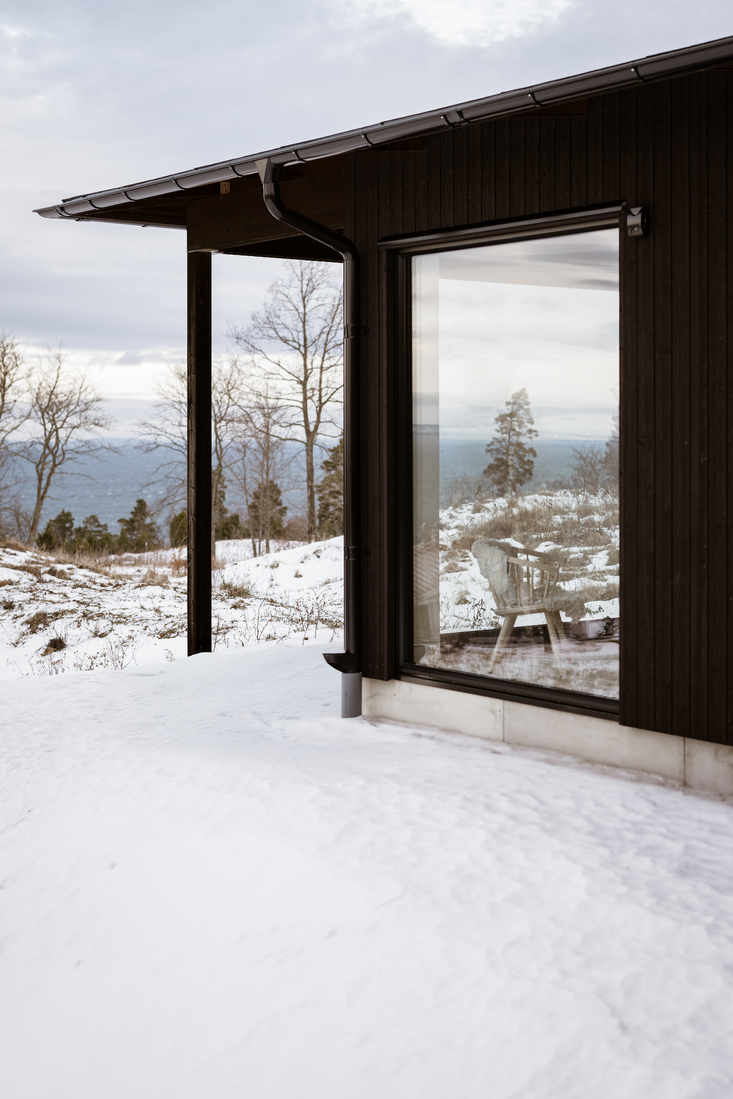 © Willa Nordic
The big decision
Deciding to switch systems is only half the job once the decision is made. The real work begins with the implementation of what will become every employee's most important everyday work tool.
"When we decided to make the switch, I wasn't sure how people would react. We were in the middle of a period of extremely high activity in the construction industry while the pandemic was going on, and many people were already under heavy strain. But we knew we needed to do it to improve our work processes," he says.
Alongside working closely with the consultants from ArchiFrame and Nordic BIM Group, Willa Nordic chose to rely on one of its strongest internal assets: Rikard Elg. He had been in charge of the software for many years and was a central figure in evaluating both the old and the new system. He now became the key person who built the bridge between what once was and what was coming, for the rest of the company.
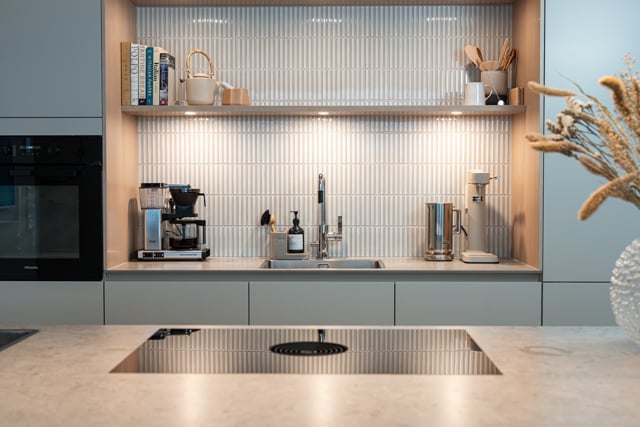 © Willa Nordic
The implementation was allowed to take time
The implementation has taken time. Deliberately so. It became clear that the transition to a new tool should not be a quick process. With a change this big, it is incredibly important to give the team time to adapt.
"We let it take time, and we were patient with the process," says Kristoffer. "Over a year and a half, we learned to use Archicad, and the first project drawn from start to finish in the new program was Tex Vill 0445."
 © Willa Nordic
Time to adapt
Even though the process took longer than they had first expected, it has been an important lesson for the whole organisation: "We knew it would take time to master the program, but we were prepared for that. We prioritised doing it properly, instead of rushing through it," says Kristoffer.
Now, a year after they started using the solution, Willa Nordic is seeing the first results. One of the employees recently said: "After just over a year, I work faster in Archicad than I did in the old program after 15 years."
The program gives employees better opportunities to collaborate across disciplines, and they now have full access to 3D modelling, which has made the processes more precise. "It's easier to catch errors early, and we get a much clearer understanding of what we're working on," Kristoffer explains. It has also been a good step toward more digital work processes. "The goal is to become fully digital and eventually remove paper drawings altogether," he says.
Through patience, careful planning, and collaboration across teams, they have put in place a tool that gives them better conditions to work more efficiently and precisely.
Kristoffer concludes: "It has been a long process, but we are glad we took the time to do it right. Now we can see it has been worth the effort. We are still at the beginning of this digital transformation, but we are well on our way."