A bell rings, small children's feet drag slowly across a cold morning floor. Tangled hair is brushed gently but efficiently while breakfast is eaten at a sleepy pace. The sun's rays dance on the wall and the door slams shut behind the child running to school. There is not much that separates a morning in Oslo from a morning in a run-down neighbourhood in Buenos Aires. For children in Norway, the school day is usually followed by activities, homework, a slice of bread, and innocent play with friends, and that is where the similarity disappears.
Safe surroundings
"We see that building various kinds of community houses in areas with large social or economic challenges creates opportunities for whole communities to change their character over time. When children in poorer residential areas come home from school, they are often alone and have little or nothing to do. Criminals pick up on this in a flash, and recruitment into gangs or drug use begins on the way to school."
Quique Bayarri is one of the many architects who contribute to the voluntary organisation Architects Without Borders (Arkitekter Uten Grenser, AUG). He describes how a building costing 500,000 kroner affects the everyday lives of more than 1,000 children. "There are 700 families who may avoid great worries, a life ruled by gangs and criminals. It creates safer surroundings and closer communities, where children and adults create the good environment together."
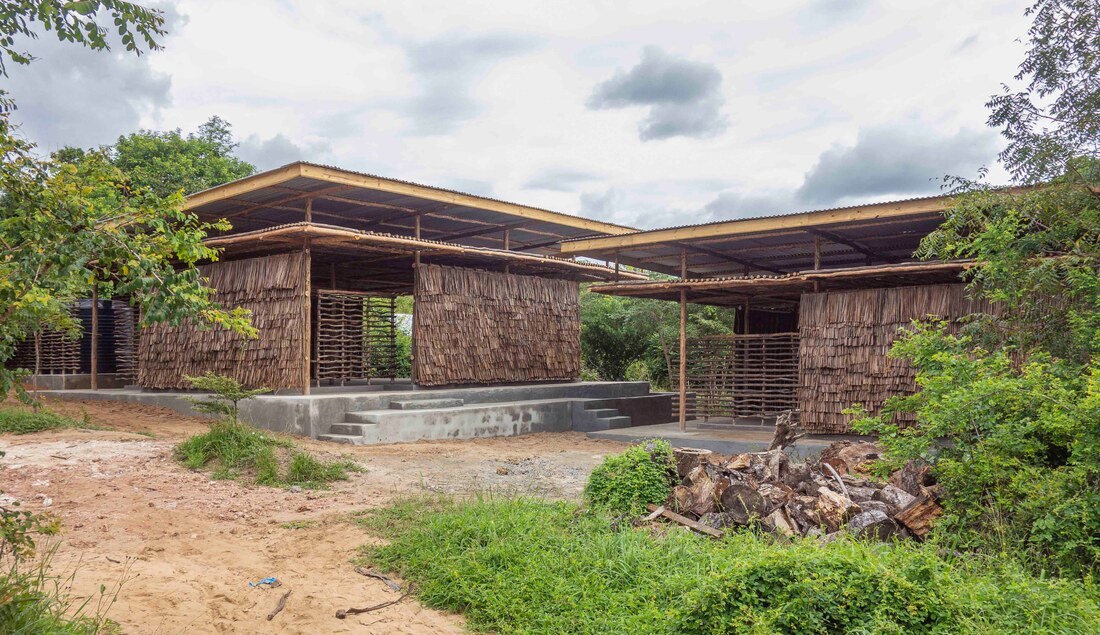 Ecomoyo kindergarten in Kenya. © Arkitekter uten Grenser
Local ownership
And that is a very important point. "We do not come into an area with finished drawings under our arm and a queue of bulldozers and construction machinery, not at all. We spend a great deal of time getting to know the people who will use the building. We bring in local architects who do the main part of the drawings and work with the local authorities and all the bodies we need to work with." Quique is absolutely clear that they cannot succeed if the projects are run from the office at Arkitektenes Hus on Josefines gate, and not by the people who will actually live in, around, and with the buildings they help raise all over the world.
Architects Without Borders works primarily in areas where the most basic needs are already met. "Our projects are not first and foremost about preventing death. We work for the long term, with the aim of improving quality of life through buildings that help create a good society. Often these are quite small measures, but they make an enormous difference for a great many people. You could say we use architecture as a social catalyst that creates safer surroundings."
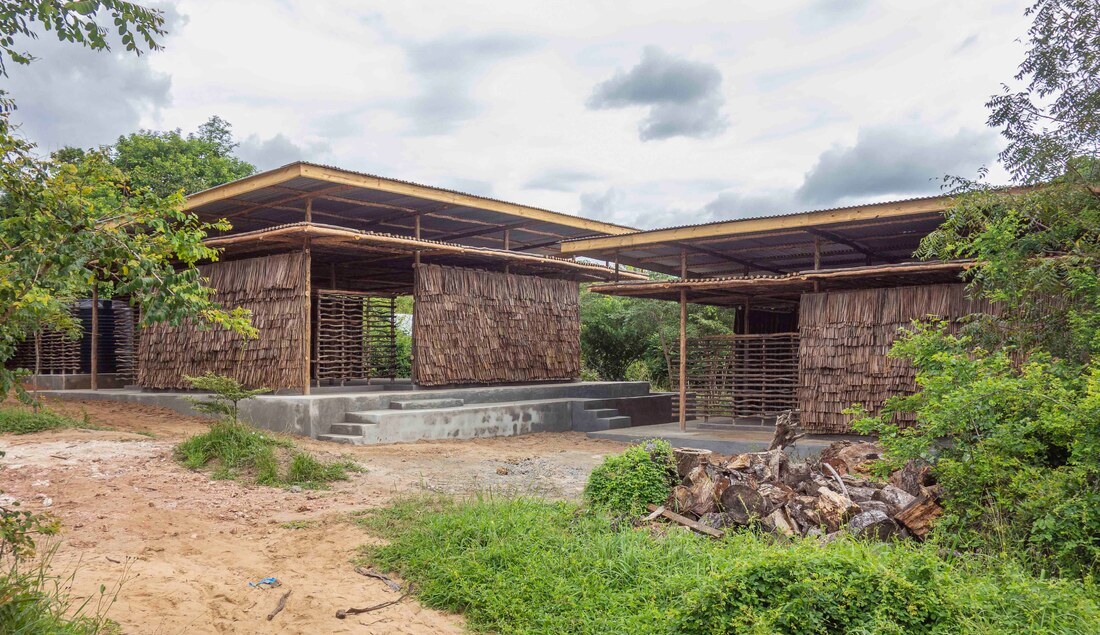
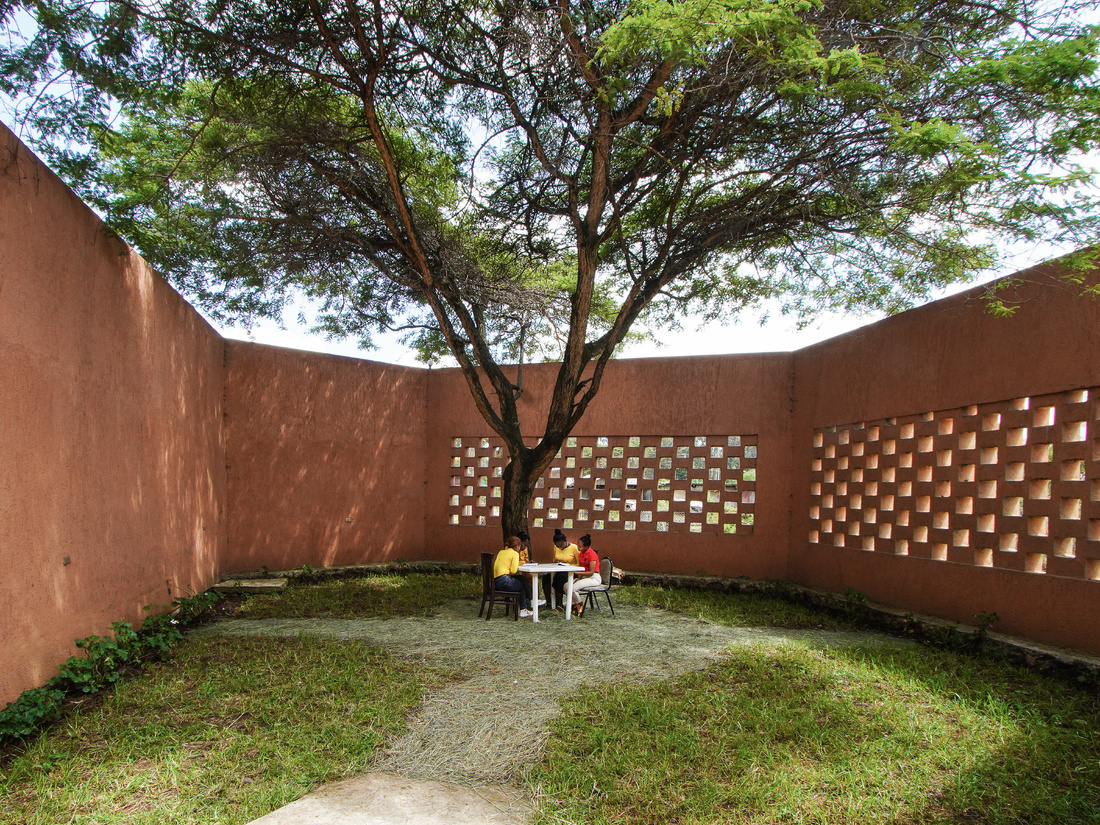 School and women's centre in Ethiopia. © Arkitekter uten Grenser
Social sustainability in practice
In addition to involving users, Architects Without Borders is keen to use local materials and to make sure the buildings fit the culture they will stand in. "It may be that we see it would be considerably cheaper to build in timber than in brick, for example, but that the timber would then have to be brought from somewhere far away. If it turns out that brick is produced in the village we are going to build in, then we build with that. Not only does it give ownership, it also provides employment and better conditions for perhaps three families over a long time. Then we have helped perhaps 30 people to a more secure everyday economy. That is social sustainability in practice."
And that is how they think, all the time. Quique and his colleagues work without pause to find the good solutions and to raise the funds to finance every single project.
"That we have now entered a partnership with Nordic BIM Group that gives us access to Archicad is just one of many good agreements we have put in place in recent years. It makes it easier for us to work both internally and internationally. That companies see the value of the work we do, and contribute with sponsorships or gifts, is absolutely essential for us to be able to continue."
And of course it also feels like recognition of all the volunteer hours the more than 70 engaged architects have put into this over the past few years.
A well-deserved recognition of a project that we at Nordic BIM Group are proud to contribute to.