Combining sketch paper, Archicad, and a strong conviction about architecture's social responsibility is everyday work for the architect Nils Freckéus. Based at Freckéus Arkitekter, he works to create beautiful and sustainable places where people can thrive for generations to come.
A journey from industrial economics to classical architecture
For Nils, the road to architecture began in an unusual way. He first turned the profession down and instead studied for four years to become an engineer in industrial economics in Lund.
"After upper secondary school I did not see a future in the architecture profession," he says. "But in the end I realised that you have to do what you are best at, so it became architecture after all, but real architecture, that is to say 'classical' architecture."
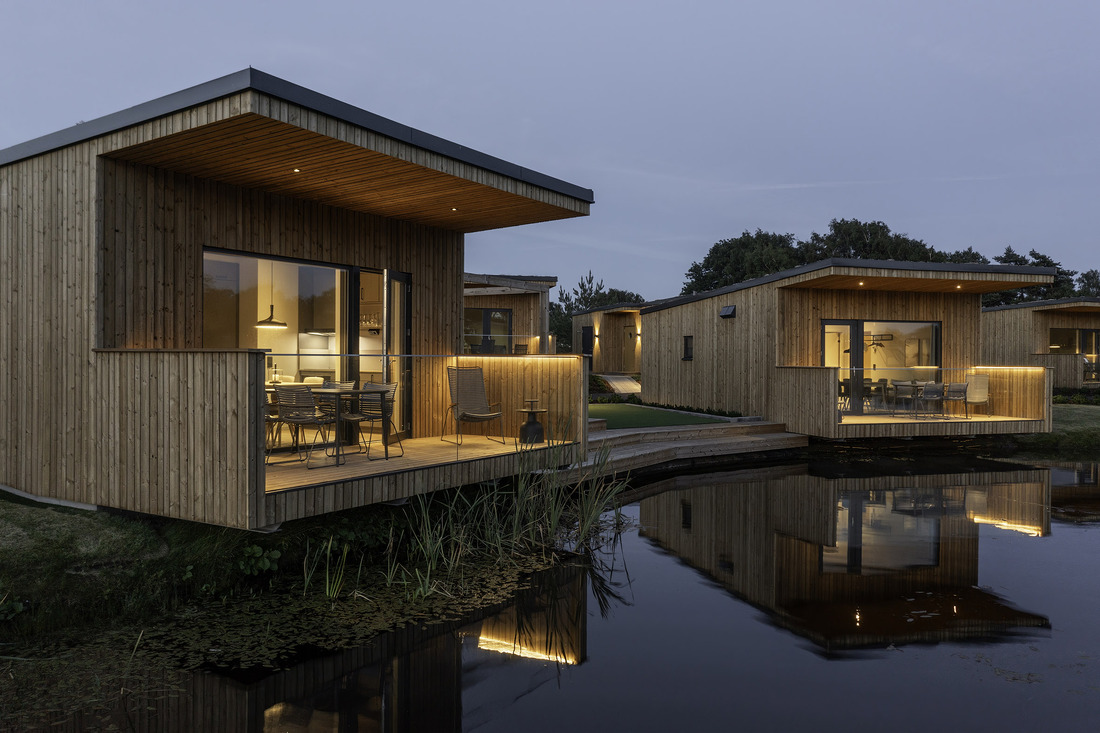
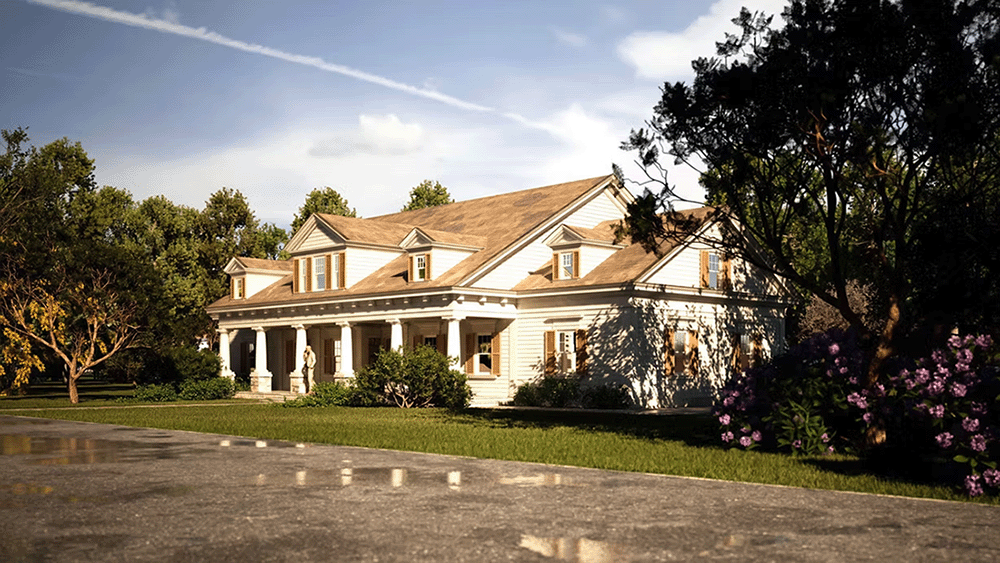 Summer house. © Freckéus Arkitekter
Inspiration and motivation
The driving force has been clear all along: to contribute to more beautiful surroundings for more people.
"People generally want to live in beautiful houses and towns. To deny most people this, I see as an injustice. If we are to realise people's full potential, we need to stimulate the senses with good living environments, instead of making people depressed."
Nils draws his inspiration mainly from travels in Europe, where he is fascinated by what earlier generations achieved in the art of building.
"I am inspired by pioneers like Brunelleschi and Isak Gustaf Clason. They were able to look both backwards and forwards."
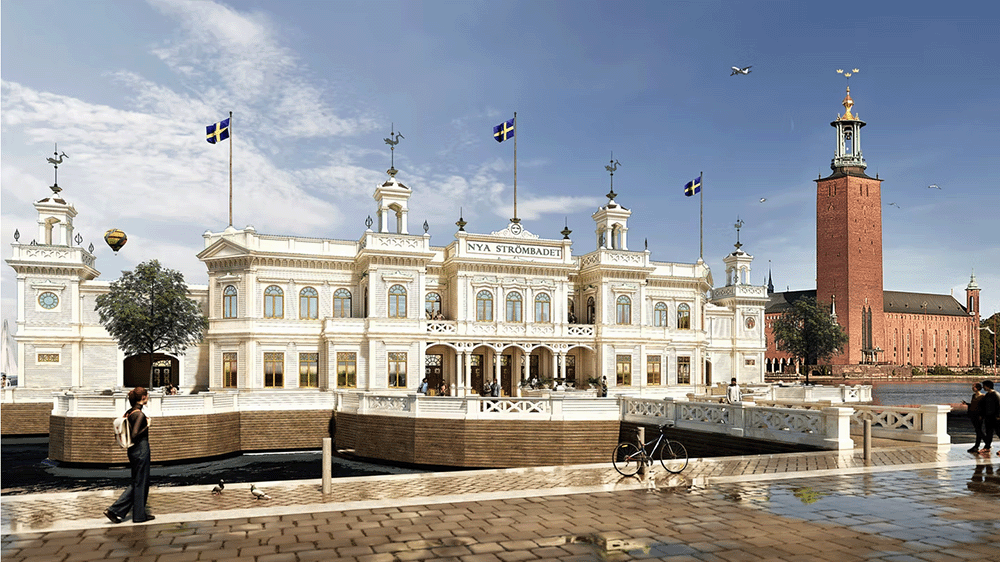 Nya Strömbadet. © Freckéus Arkitekter
Work process and tools
A typical day consists of calling customers and, above all, creating. Classical architecture is time-consuming, and Nils describes the process as both intense and rewarding.
The most important tools are simple but powerful: sketch paper, pencil, Archicad, and Twinmotion. He uses the last of these to visualise his ideas in a way that customers can take in.
Projects that make a difference
Of all his projects, it is multi-family housing that engages Nils the most.
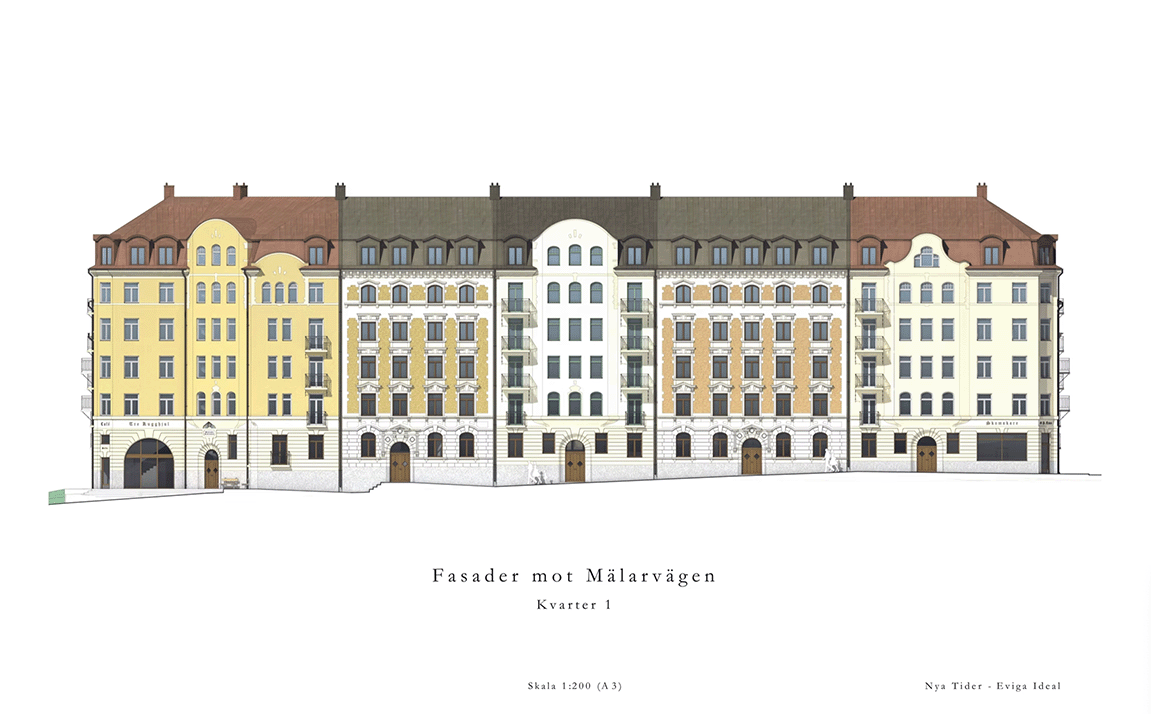
"These concern the most people, and what is good for many is in the end also good for yourself," he says. He especially highlights Upplands Väsby, a competition he won because the residents voted his proposal through.
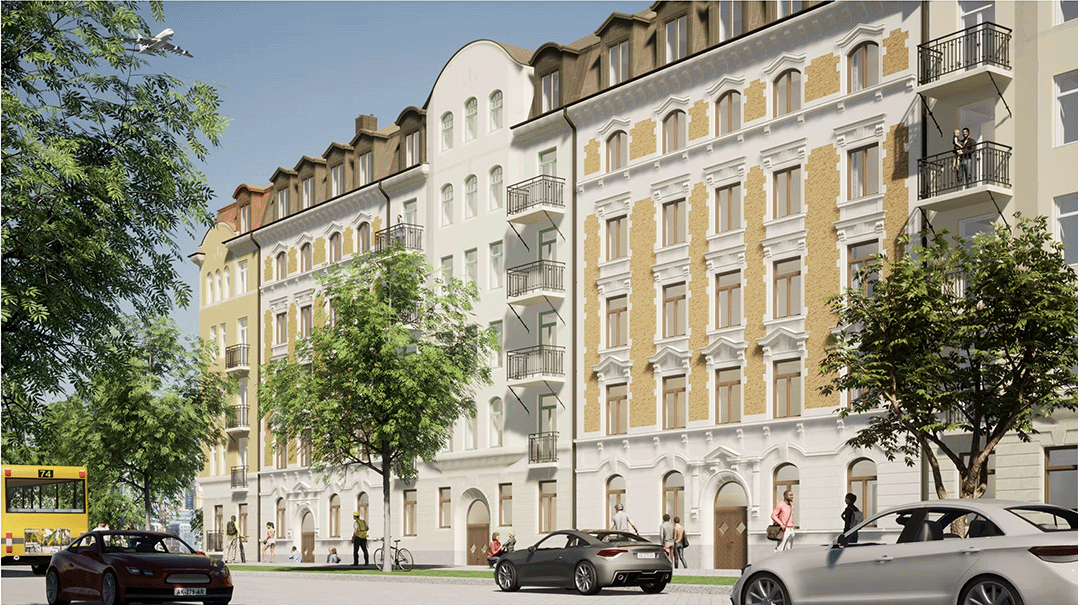 Upplands Väsby. © Freckéus Arkitekter
"I am very proud of that project. I love both the residents and the responsible politicians who made it possible." Another important collaboration is with the contractor Björn Sundeby in Växjö, although the project there has been marked by political challenges.
Everyday challenges
The biggest obstacles in the projects are rarely technical, but political.
"Everything depends on the political will. The civil servants always do a fantastic job when the will is there. Unfortunately the terms of office are too short and the election days are not staggered. I would have liked municipal elections not to be held at the same time as the parliamentary elections," Nils says.
Real sustainability
For Nils, sustainability is not about trendy concepts, but about timeless quality.
"A house that stands for a thousand years is the most sustainable thing we can create," he says. Innovation is not something he prioritises at the moment. Instead he wants to steward and develop the classical architecture tradition.
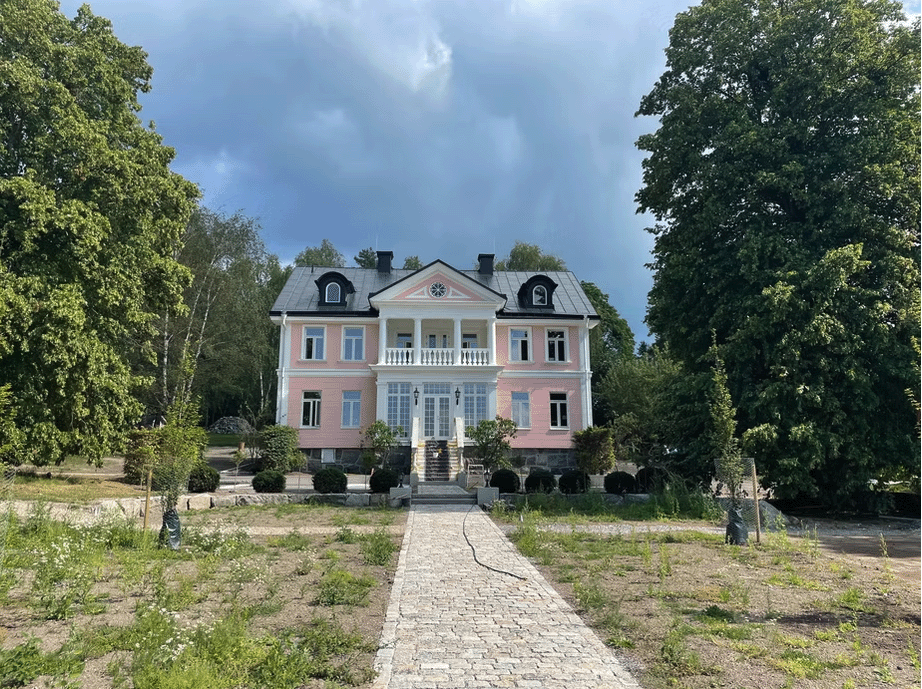 Villa by Lake Mälaren. © Freckéus Arkitekter
An architect with an eye on the past, and the future
Nils is inspired as much by details as by wholes. Respecting the work of earlier generations while building further on it is a central part of his philosophy.
"This is exactly what makes us better people," he concludes.
Do you want to be the next Architect of the Month? Share your story with us.