Talking with Erik Björnhage is like opening the door to a room where architecture meets technology, and meets a philosophy that combines both with thoughts about the future.
A winding road to architecture
Erik is an architect and project lead at Insikt in Gothenburg, with a background that reaches far beyond Sweden's borders and an insight that reminds us architecture is more than form. It is as much about systems as it is about collaboration and responsibility.
%20%C2%A9Erik%20bj%C3%B6rnhage%20Ettelva%20Arkitekter-1.jpg?width=1420&height=873&name=Norrt%C3%A4lje%20Nya%20Brandstation%20(NNB)%20%C2%A9Erik%20bj%C3%B6rnhage%20Ettelva%20Arkitekter-1.jpg) Norrtälje Nya Brandstation (NNB) © Erik Björnhage, ETTELVA Arkitekter
Norrtälje Nya Brandstation (NNB) © Erik Björnhage, ETTELVA Arkitekter
"I decided to become an architect when I was seven years old," Erik says with a smile.
But the path there was anything but straight. From Gothenburg to Australia, on to China and Dubai, and then back, via Stockholm, to his home city again.
"Originally it was probably the fascination with creating and drawing. But today it is more about understanding how our environments affect people, and how we can create sustainable structures, both physically and organisationally."
Between creativity and systematics
Erik describes himself as an architect with one foot in the creative and the other in the technical. In his role he works as much with business development and digital working methods as with design.
%20%C2%A9Erik%20bj%C3%B6rnhage%20Ettelva%20Arkitekter%201.png?width=859&height=528&name=Norrt%C3%A4lje%20Nya%20Brandstation%20(NNB)%20%C2%A9Erik%20bj%C3%B6rnhage%20Ettelva%20Arkitekter%201.png) Image from Archicad 25, Norrtälje Nya Brandstation (NNB) © Erik Björnhage, ETTELVA Arkitekter
Image from Archicad 25, Norrtälje Nya Brandstation (NNB) © Erik Björnhage, ETTELVA Arkitekter
"I like the complex parts of the profession, where technology, collaboration, and problem-solving meet. The most enjoyable projects are often the ones that demand a high degree of coordination, such as Norrtälje Nya Brandstation. It was a complex project with many parties involved, but that is exactly why the collaboration and the learning were so rewarding."
Tools for the future
Erik works daily in Archicad, often in combination with Solibri and Bluebeam, but it is when he gets to explore new tools and integrations that the spark really catches.
"Rhino and Grasshopper open up exciting possibilities, especially when you connect them to climate impact and sustainability analysis. The tools develop so fast that you have to stay curious and keep up to date, because you never know what is waiting around the next corner."
"We have to stop talking about integrating sustainability"
When the conversation turns to sustainability, the tone becomes serious. Erik does not hesitate for a second when he says:
"We have to stop talking about integrating sustainability. Everything we do has to be sustainable. If we cannot manage that, then maybe we should stop working."
He means that too often we place our hope in future technology instead of taking responsibility here and now.
"Believing that innovation alone will solve our problems is a naive view of how society develops. We need to think more holistically, more long-term, and above all more humanly."
%20%C2%A9%20Erik%20bj%C3%B6rnhage%20Ettelva%20Arkitekter.jpg?width=1800&height=1013&name=Norrt%C3%A4lje%20Nya%20Brandstation%20(NNB)%20%C2%A9%20Erik%20bj%C3%B6rnhage%20Ettelva%20Arkitekter.jpg) Norrtälje Nya Brandstation (NNB) © Credentia
Norrtälje Nya Brandstation (NNB) © Credentia
Inspiration from unexpected places
When it comes to inspiration, Erik points to both film and literature.
"I have always liked films where architecture plays a central role, such as Bladerunner, GATTACA, and A Clockwork Orange. Dystopian settings, but with clear spatial narratives."
Books such as A Pattern Language by Christopher Alexander and The Skyscraper Bioclimatically Considered by Ken Yeang have made him reconsider how architecture affects us at a deeper level.
Among his favourite buildings he names the Fredericks/White House by Glenn Murcutt, the Institute of Contemporary Art by Diller Scofidio + Renfro, and Therme Vals by Peter Zumthor, all with a strong sense of context, materiality, and human presence.
%20%C2%A9%20Erik%20bj%C3%B6rnhage%20Ettelva%20Arkitekter.png?width=1000&height=562&name=Norrt%C3%A4lje%20Nya%20Brandstation%20(NNB)%20%C2%A9%20Erik%20bj%C3%B6rnhage%20Ettelva%20Arkitekter.png) Norrtälje Nya Brandstation (NNB) © Erik Björnhage, ETTELVA Arkitekter
Norrtälje Nya Brandstation (NNB) © Erik Björnhage, ETTELVA Arkitekter
Challenges as a driving force
For Erik, challenges are not something negative. Quite the opposite.
"Challenges are a chance to grow. You rarely leave a challenging project without having learned something new."
And right there, somewhere between curiosity and experience, you might find the core of how he sees architecture.
A profession always in motion, where you balance between structure and vision, between technology and people.
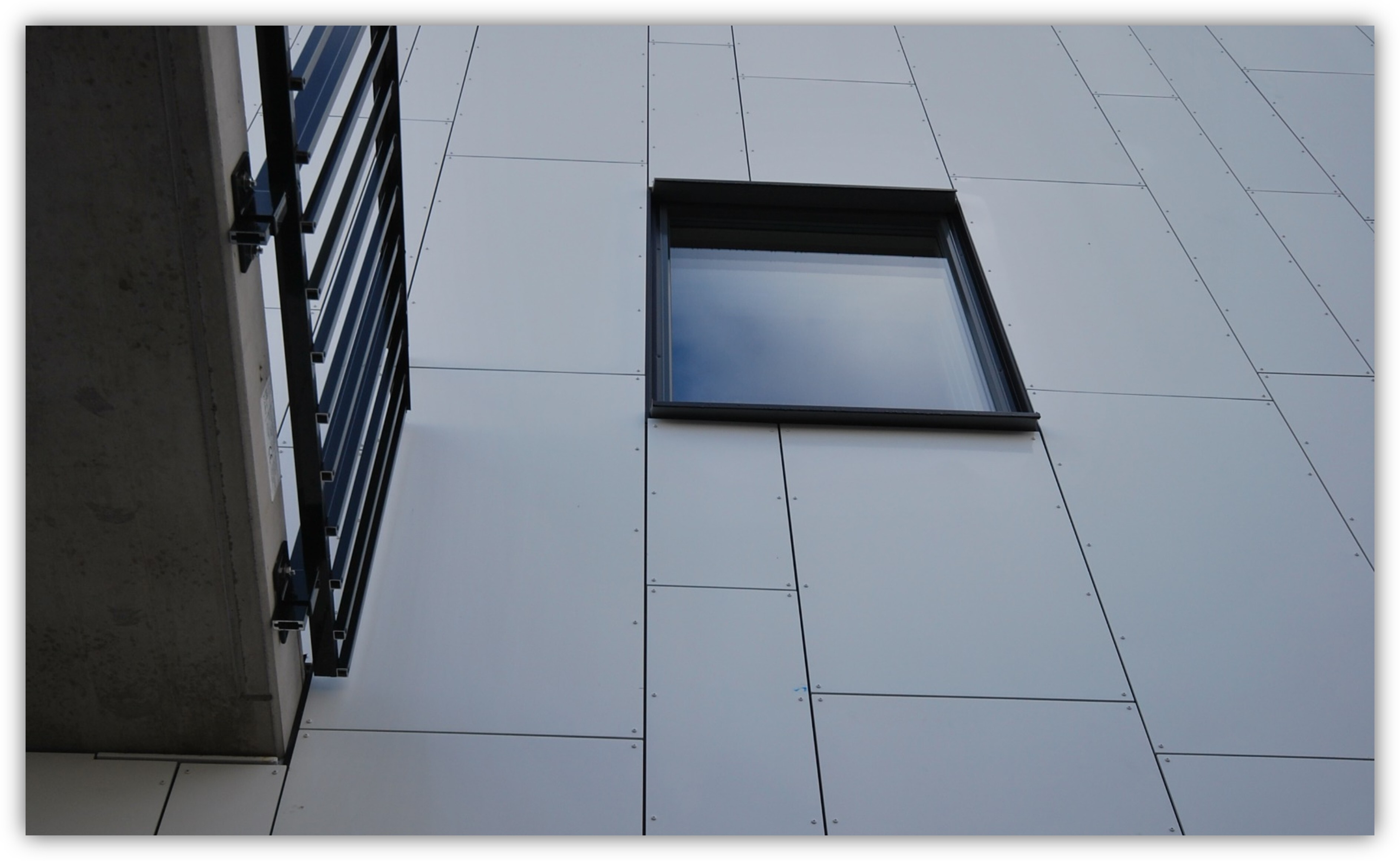 Norrtälje Nya Brandstation (NNB) © Erik Björnhage, ETTELVA Arkitekter
Thinking beyond the building
Erik Björnhage moves easily between technology and creativity, between the practical and the philosophical.
His way of thinking shows that architecture is not just about form or function, but about how we collaborate, learn, and develop together.
Do you want to be the next Architect of the Month? Share your story with us.