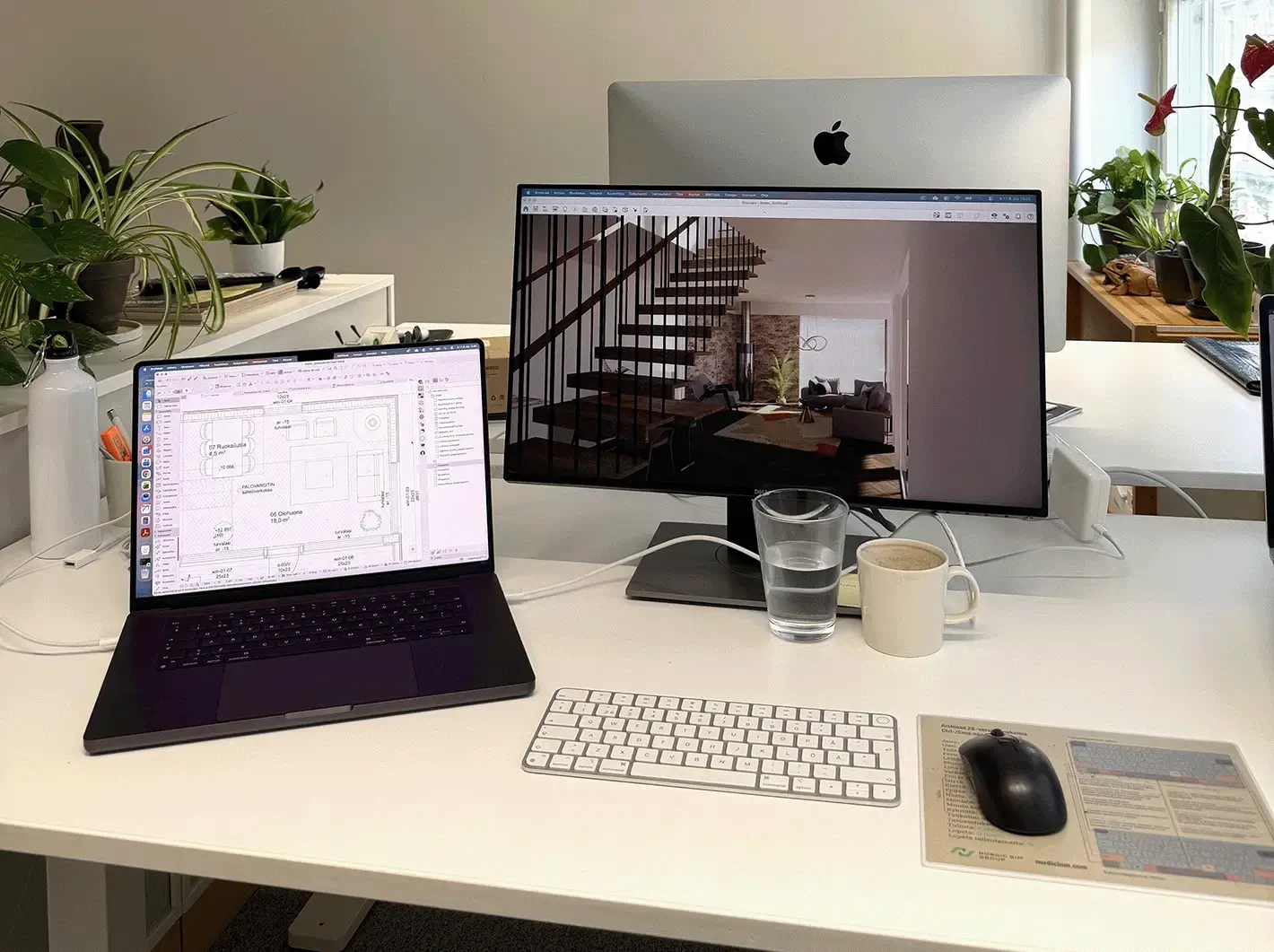
A BIM coordinator is the hub of any BIM-driven construction project. This is where the groundwork for a smooth workflow across every discipline is laid. The coordinator makes sure the digital building models and working drawings are as accurate as they can be, free of errors and gaps, and that the whole project team can work together effectively.
This guide covers what a BIM coordinator actually is, the day-to-day responsibilities, the skills the role needs, the usual education routes and tools, and where the career and the wider field are heading.
What a BIM coordinator is
A BIM coordinator is a specialist who manages the coordination of BIM models across a construction project. They make sure the digital models from every discipline, architecture, structure and MEP among them, come together seamlessly and that the information stays accurate and up to date. The role is critical to delivering a project efficiently, without major errors or conflicts, with everyone aligned and working towards the same goals.
The core job is to be the link between the parties in a project. Working that way helps cut the risk of errors and delays by catching potential problems early. Each discipline still owns its own area, but the coordinator helps surface issues through continuous work in the models as they take shape.
What a BIM coordinator is responsible for
Spotting errors and gaps along the way matters, but it is not the coordinator's main job. The real responsibility is general model coordination, making sure models from different disciplines are coordinated and integrated into one another. The coordinator sees to it that every discipline delivers in line with the delivery specification, which can include a BIM manual, an IDS (Information Delivery Specification) or similar. They also run regular checks to find and resolve the clashes and conflicts that show up in the models.
Much of this happens through ICE meetings (Integrated Concurrent Engineering), also called coordination meetings. The aim is a smooth, efficient run through the project's many phases. They matter most in the early phases, when the groundwork is set for every discipline more or less at once, so decision-makers and working resources gather for regular reviews of the project.
With strong technical skills, the coordinator also gives technical support and training to the rest of the team, and maintains and updates the project's BIM documentation.
The skills the role needs
Alongside clear communication, the role calls for technical knowledge and software ability. A coordinator needs to be comfortable in BIM tools such as Archicad, Revit, Navisworks, Solibri and AutoCAD, and to understand the data standards the industry runs on, IFC, COBie and other BIM standards among them.
Good organisation and the ability to juggle several tasks at once are essential. So is a more formal background, typically a bachelor's or master's in civil engineering, architecture or a related technical field, along with courses focused on BIM technology and procedures. Several certifications can also qualify you for the role.
Staying current matters just as much in a digital field that moves this fast. Going to courses and seminars where the newest tools and technologies are shown, and networking with other professionals through industry forums to trade experience and knowledge, is how a coordinator keeps sharp.
Career paths
As in any role, you move up through the grades. You usually start with responsibility for day-to-day model coordination, then step into more senior positions with more complex projects and larger teams to look after. As a BIM manager you take on overall responsibility for BIM strategy and implementation at company level.
Plenty of industries and companies rely on BIM coordinators. Contractors and construction firms manage BIM on building projects. Architects and engineers coordinate models and protect their integrity through the design phase. Some consultancies offer specialised BIM services and need people with a range of BIM experience.
Where BIM is heading
BIM technology is developing fast, and we have only seen the start of it. We are at the very beginning of what automation and AI will bring. Expect more artificial intelligence and automated processes across every kind of modelling, and a sharp rise in virtual and augmented reality for better visualisation and planning through VR and AR.
There is plenty more to come. No one can say exactly which way BIM will go or how quickly, but there is no doubt the BIM coordinator's role stays central to modern construction projects. It will always call for a mix of technical skill, communication and project management. With the right education and certifications, plus continuous learning and networking, anyone setting out can build a rewarding career in a field that keeps moving forward.
Want to build the skills the role needs? Explore our BIM courses, or talk to us about coordination in your projects.