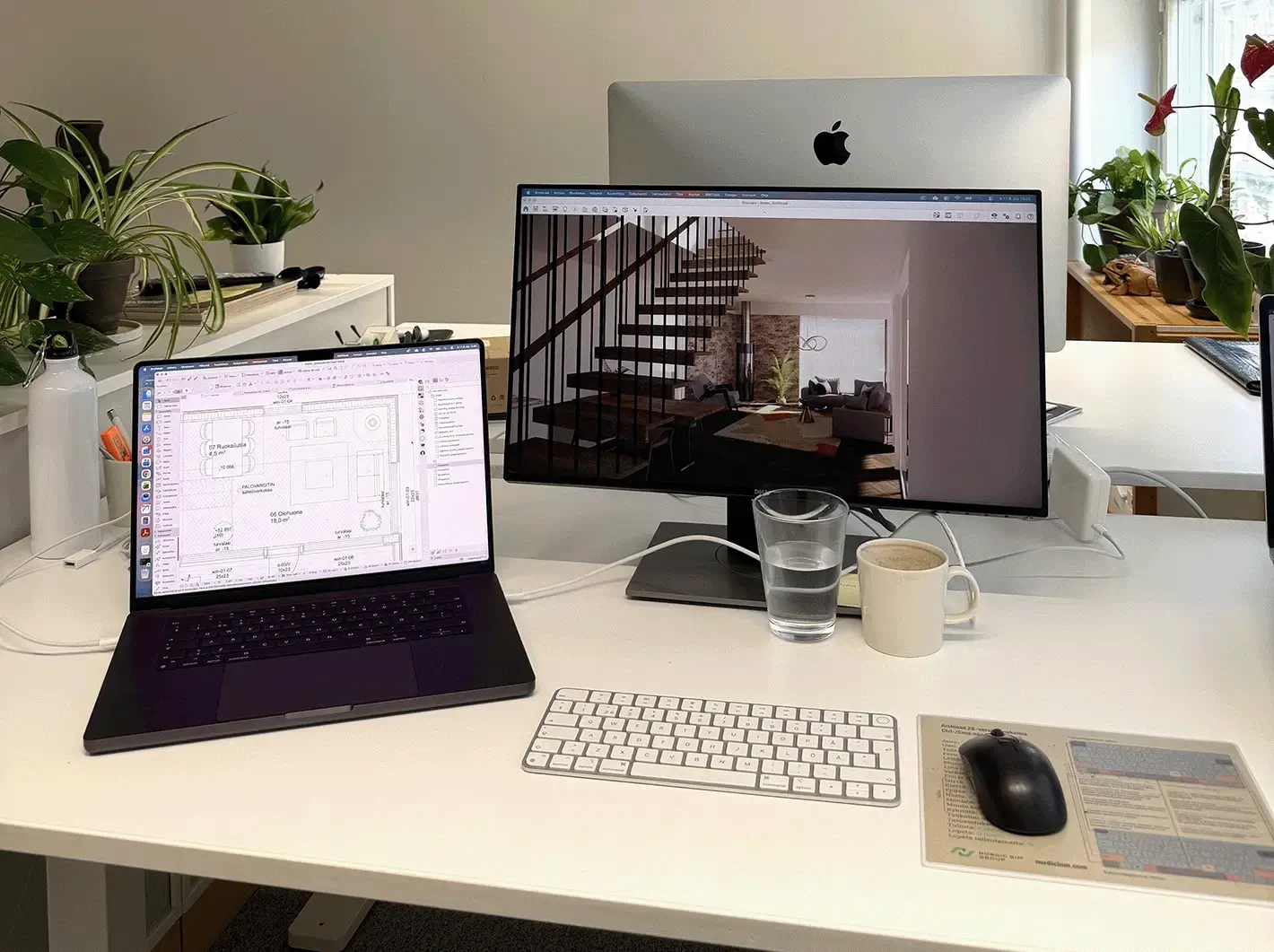
When most people picture the construction industry they see cranes against the sky, crews pouring concrete and the steady, physical work of raising a building from the ground up. It looks like a traditional sector, and maybe a slightly slow-moving one.
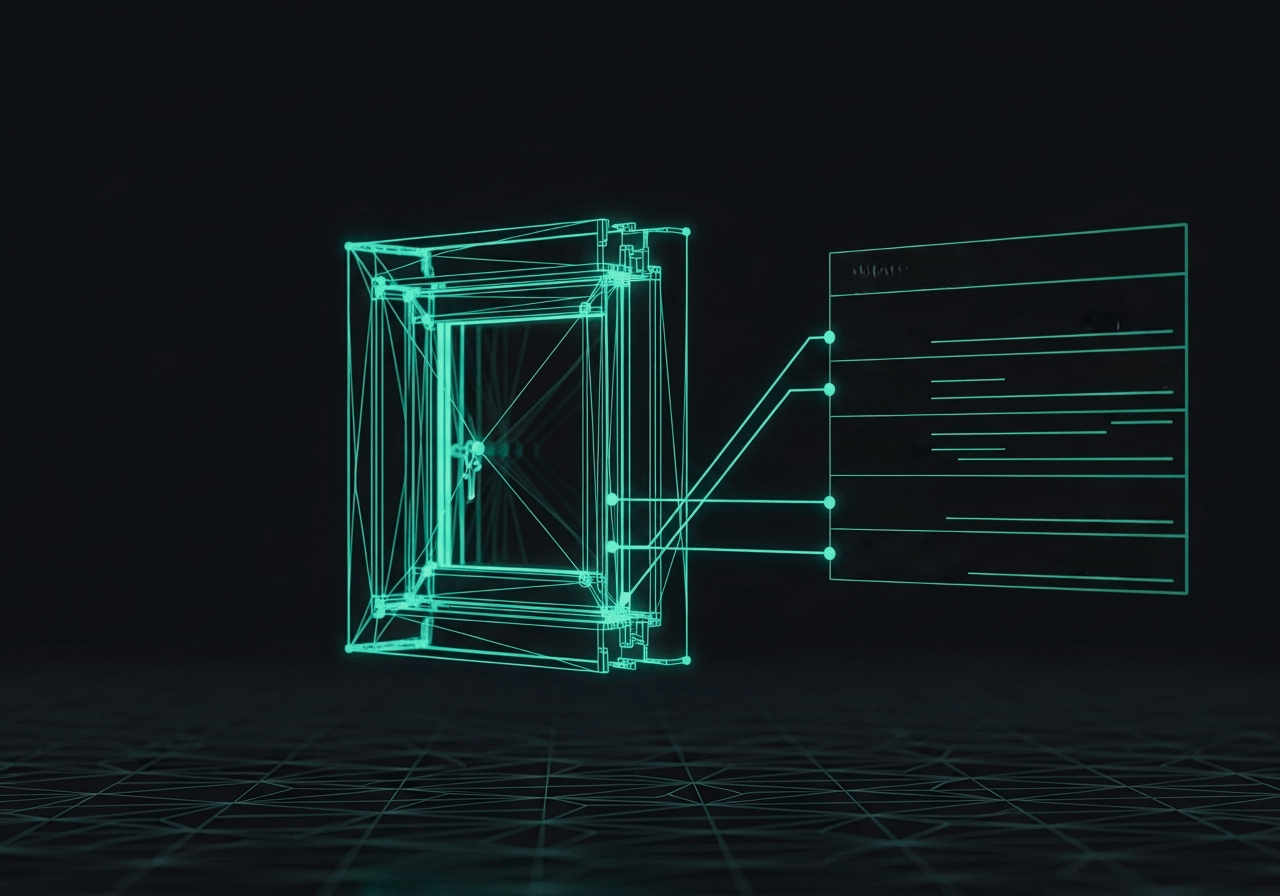
Below the surface, big changes are under way, driven by forces that are less visible but growing steadily stronger.
Digital technology, tougher climate targets and new financial models are reshaping how we build. These are not isolated trends but one fundamental shift, where digitalisation and decarbonisation reinforce each other.
Everything from project finance to the workforce on site is being reshaped. Here are five of the most surprising and influential trends actually driving the future of construction.
Refurbishment is the real growth engine
New towers get the attention, but the quiet boom is in upgrading the buildings we already have.
New build still dominates the volume. It accounted for 83 percent of all activity in the Scandinavian market in a recent year. The real story is in the growth rates. Refurbishment is expected to grow significantly faster, at an estimated 5.4 percent compound annual rate through to 2030.
The main reason is stricter climate requirements. Denmark, for example, is introducing a new carbon limit of 7.1 kg CO₂e/m²/year, which is driving large investments in deep-retrofit programmes to bring older buildings up to modern environmental standards.
That changes the very idea of refurbishment. It is no longer only about maintenance, it is about strategic value creation.
The need to cut emissions means the most innovative and economically significant work now happens inside existing structures rather than on new sites.
The biggest revolution happens on a hard drive
Before the first spade goes into the ground, a building's total environmental impact is calculated and optimised digitally.
Construction accounts for roughly 38 percent of global carbon emissions, so innovation that brings that figure down is decisive.
The big gains are not made on site but in the digital design phase, where building information modelling (BIM) and life cycle assessment (LCA) come together.
In short, BIM creates a detailed digital 3D model of the building, with all its materials and components. The LCA tool then uses that data to calculate the building's total environmental impact across its whole life cycle, from raw-material extraction and production through operation, demolition and reuse.
The efficiency gain is enormous. One study found that a workflow exporting BIM data straight into an LCA tool produced environmental results 91.5 percent faster.
That means architects and engineers can test material choices and design in real time and see how each one moves the carbon footprint. The design process shifts from being about aesthetics and function to being environmentally responsible from day one.
The challenge still lies in better interoperability between software and in standardising data, but the direction is clear. The sustainable buildings of the future start digitally.
Factories are solving the site labour crisis
An ageing workforce is being met not with more workers but with a new way of building.
The industry faces a demographic challenge. In Sweden around 10 percent of construction workers will retire by 2028. At the same time, figures from Denmark show a 32 percent failed-recruitment rate, meaning a third of roles go unfilled. The result is delays and higher costs.
The industry's answer is not a recruitment drive but a strategic shift, moving the building itself off the site and into the factory.
This approach, known as Modern Methods of Construction (MMC), is based on prefabrication and modular building, where components are made in a controlled environment and then assembled on site. Traditional methods still held 63 percent of the market in a recent year, but MMC is growing fast, at 6.9 percent a year.
Manufacturers are now evolving to deliver complete solutions that combine design, logistics and assembly into a single concept. Building is moving from a craft trade to a technology-driven manufacturing process.
It is not only about building faster but about building smarter, so the industry can keep delivering even with fewer people.
Infrastructure, not housing, will be the main driver
Housing dominates today's market, but large public projects will drive growth from here.
Housing accounts for 48 percent of the market today, yet behind that figure sits a clear shift. Infrastructure is set to become the growth engine, with expected annual growth of 6.1 percent through to 2030.
The driver is large public investment. Sweden is building the new Norrbotnia rail corridor, and Norway has set aside around 440 billion kroner for rail development through to 2036.
But the purpose has changed. It is no longer only about capacity, it is about resilience and climate. New rail lines are being planned to integrate renewable energy and to act as future corridors for carbon capture and green logistics.
Infrastructure becomes more than a transport solution, it becomes a strategic investment in sustainability and social value. That is where the long-term growth in construction lies.
Private money is flowing in, and it demands green results
Funding for large projects is shifting from taxpayers to global investors with strict environmental requirements.
Public funds still made up 52 percent of investment in a recent year, but the inflow of private capital is growing faster, at 5.1 percent a year.
This is not venture capital. It is investment from institutional players such as pension funds and sovereign wealth funds, raising their stakes in infrastructure to meet their own environmental, social and governance (ESG) requirements.
A clear example is Norges Bank Investment Management, the Norwegian oil fund, which bought a 49 percent stake in large offshore wind projects for around 17.4 billion kroner.
Investments like these change the rules of the game. Investors now set the standard and demand documented sustainability. That creates a self-reinforcing effect. Investors require ESG results, which makes digital tools like BIM and LCA indispensable. These solutions are no longer only a regulatory requirement, they are a condition of financing.
A new blueprint for the built world
Everything points in the same direction. Construction is becoming a data-driven, production-oriented industry where sustainability is the driving force.
This change is not optional. It is being pushed by stricter regulation, new technology and the demands of global finance for documented environmental results.
A growing share of buildings and infrastructure projects are now designed and optimised digitally before the first spade goes into the ground.
As the physical world is increasingly shaped by digital decisions, the question remains. Which invisible changes will we soon start to notice in our cities and neighbourhoods?
Want to talk through what these shifts mean for your projects? Book a demo, or get in touch.