

Ollikainen’s Path to Modern BIM Excellence with ArchiLogs & ArchiFrame
Kayleigh Töyrä
Feb 3, 2026 7:50:17 AM
How to transition from one BIM software to another and thrive? This is what Ollikainen Hirsitalot has done: moving to Archicad timber add-ons, ArchiFrame (framing) and ArchiLogs (log modeling), Ollikainen is on the road to perfecting its BIM processes..
Embracing automation and customization, Ollikainen Hirsitalot is already feeling the benefits of adapting ArchiLogs to its needs: sped-up production. One recent improvement is saving up to one week of production time per annum!
Combining successful software adoption with a recent extension to its production facilities, Ollikainen is now able to produce even more modern and efficient log structures.
OLLILAINEN: FAMILY LOG BUSINESS SUCCESS STORY
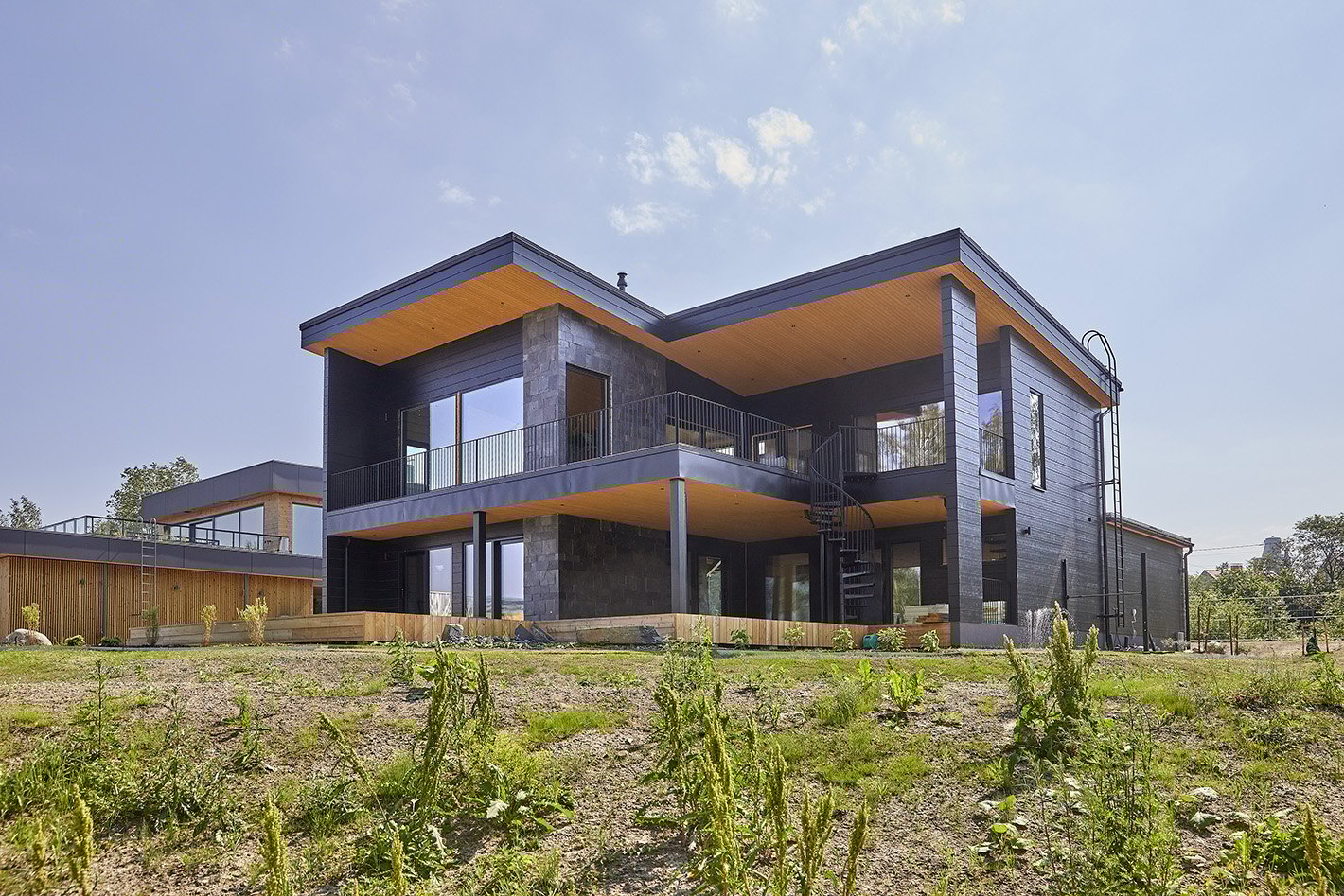
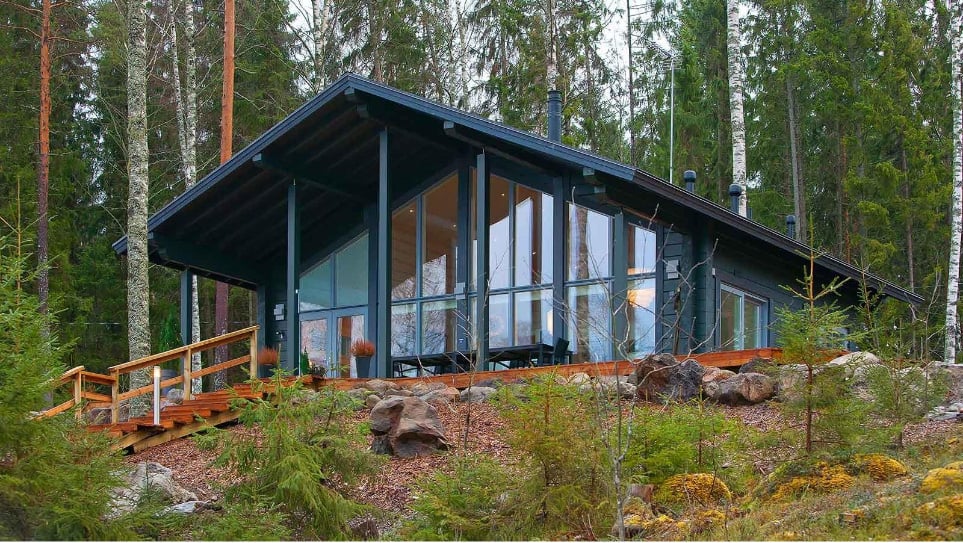
Ollikainen was founded in 1974 in Ruovesi: an independent log home manufacturer that has grown from small log cabins to large public projects, whilst remaining true to its roots as a second-generation family business.
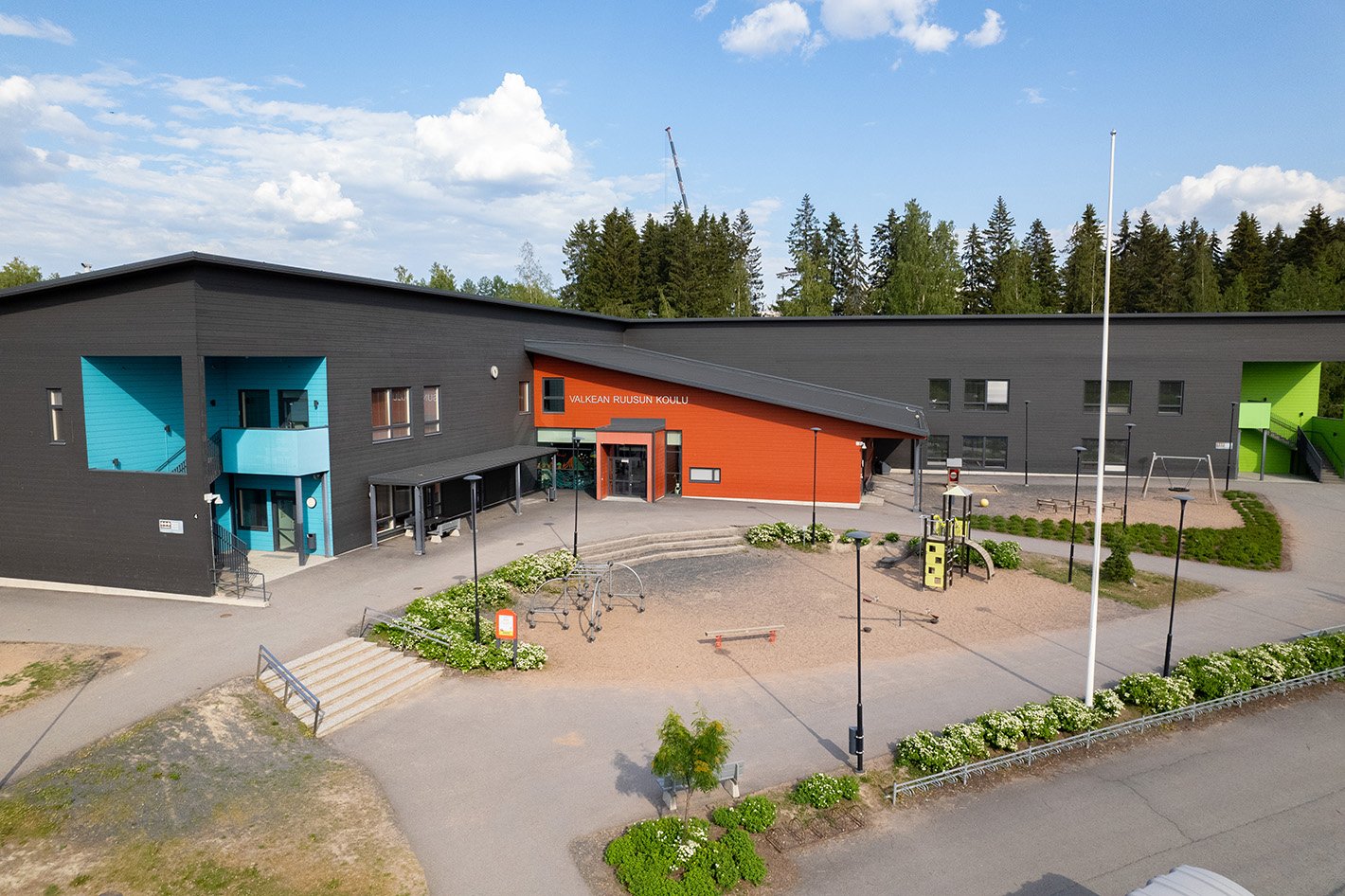
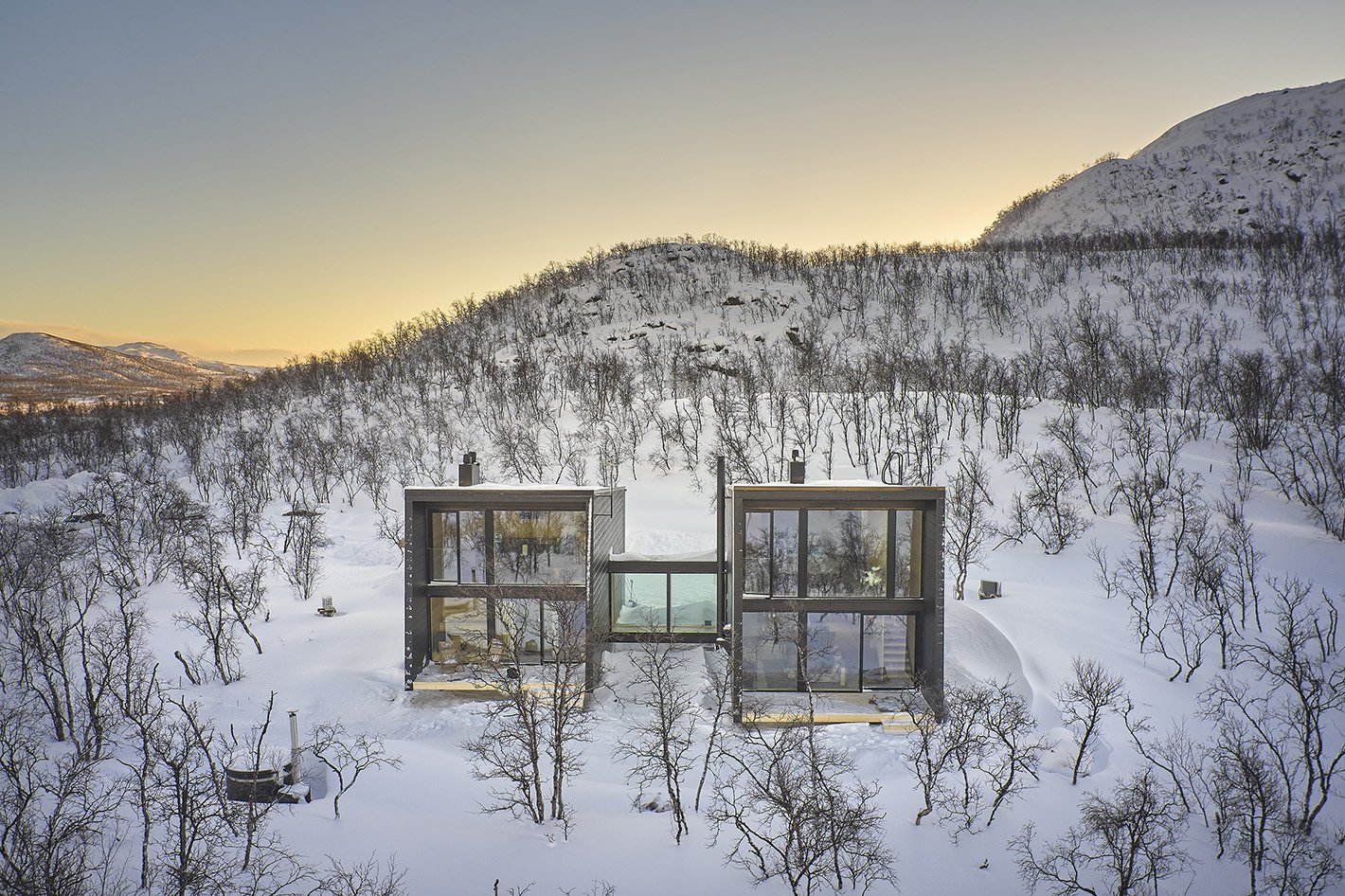
Ollikainen specializes in schools and daycare centers alongside residential timber. The Lempäälä Saikantalo is one of the latest larger Ollikainen projects, as well as the Nanukallio school (11,500 square meters) in Rauma. Other notable structures include the FLOU sauna raft in Tampere.
ENTERING THE ARCHICAD WORLD: BIM MODELING IN SYNC WITH PRODUCTION
Talking to Ollikainen’s Structural Designer, Oskari Anttila, we delved into Ollikainen’s Archicad adoption journey as it transitioned to the new software environment. Anttila originally joined Ollikainen as an Archicad Designer in 2023; wanting to work more closely with architects played a big role in the switch:
“One of the main reasons to switch to Archicad, ArchiFrame, and ArchiLogs was visualization. Getting good visual material means better drafting, marketing, and BIMx models on-site. We like that we can work directly with the architects’ Archicad
models”.
Anttila summarizes the process of switching software: “At first, we worked very closely with Nordic BIM Group who answered all our questions very quickly. Software deployment has been easy in many ways, right from installation”.
USING SOFTWARE STRATEGICALLY: MODELING THROUGH TO PRODUCTION
Anttila explains how different BIM elements come together across design and production: “We use ArchiFrame to model timber frames and other structural elements, whereas we use ArchiLogs to model log walls. We also use ArchiFrame for
machinings: we love its flexibility.”
This flexibility is ideal for Ollikainen as every building project they work on is unique and different.
Anttila appreciates how well the software work together: “Any log machinings made using ArchiFrame are automatically reflected in ArchiLogs: you can move one element, and the position of that machining automatically updates on all logs”.
The end-to-end approach from design through to production shows off the versatility and scope of the ArchiFrame+ArchiLogs software package.
BEST BIM SOFTWARE FEATURES
The best thing about ArchiFrame and ArchiLogs according to Anttila?
"The versatility of the software and the precision of its modeling are key strengths. Accurate models streamline production, reduce errors, and improve efficiency. CNC output is more precise than with the previous program, meaning fewer corrections are needed at the factory, which speeds up production.
SOFTWARE ADOPTION AND TRAINING: LESSONS LEARNED
Ollikainen wanted to get designers to move as quickly as possible from one program to the other.
"While it took us a little time to adjust to some of the new features, overall, adopting the new software has been straightforward. Its flexibility and wide range of features can be a challenge at first, but they are also a major advantage. Training has focused on adoption and element modeling."
CUSTOMIZATION & CNC SAVING TIME IN PRODUCTION
After an initial familiarization process, Ollikainen needed more ArchiLogs features to really make the most of it as a log design software. Working with the BIM developers at Timehouse Oy has allowed Ollikainen to modify ArchiLogs and save vital time on the production line.
“Removing log grooves using a cut saw is a recent feature developed by Timehouse Oy that saves us literally minutes per log, which means days, up to a week, of saved time on the production line per annum.”
As well as saving time, working with the BIM development team at Timehouse has resulted in more streamlined and efficient processes: “The ‘cleanliness’ of the CNC code obtained from the model is impressive. One of the latest features we’ve added is our ability to send schedules directly from the 3D model to the factory. Another customization has been the addition of IDs to all ArchiFrame elements to correspond with our inventory. Nothing is done manually, and we can manage materials in a highly automated and efficient way”.
BIMX MODELS AND WORKING ON-SITE
One of the other benefits of using Archicad is the accuracy of BIMx models. "On-site access to a live, accurate BIMx model has transformed our workflow. Crews no longer need to call the designer for minor changes: they can simply open the 3D model on their phones, click any element, and instantly view the log ID and related data. This makes it easy to identify special joints and unique features, saving time and improving assembly efficiency."
Better BIM models mean less waste, and detailed design and accurate machinings help speed up assembly on-site.
FUTURE PLANS AND BIM DEVELOPMENT IDEAS
For Ollikainen, the future of ArchiLogs means fully integrated models, precise quantity take-offs for every element, and CNC code that can be sent straight to production without edits. In many ways, it’s simply the next step in the evolution of their current workflow.
“One day we’d love to work with architects directly in BIMcloud: architects could be designing the model at the same time as log designers work on the structural elements. Now that we have BIMcloud we can all use the same language and templates.”
“There are many reasons to adopt centralized information management solutions, such as a BIMcloud environment,” continues Ville Pietilä from Nordic BIM Group. “Creating a consistent information model is becoming increasingly important, not only for companyoperations, but for meeting customer and regulatory requirements. The tightening requirements on calculating carbon footprints demand that design and construction work together to produce the most comprehensive unified model possible. Alongside ISO-19650, numerous other standards related to carbon footprint calculations, digital construction logbooks, the introduction of digital product passports for building products, and sustainability reporting are influencing the reform of the Finnish Building Act. As European actors, Nordic BIM Group, Graphisoft, and the Nemetschek Group are strongly committed to supporting and developing both regional and global standards,” he continues.
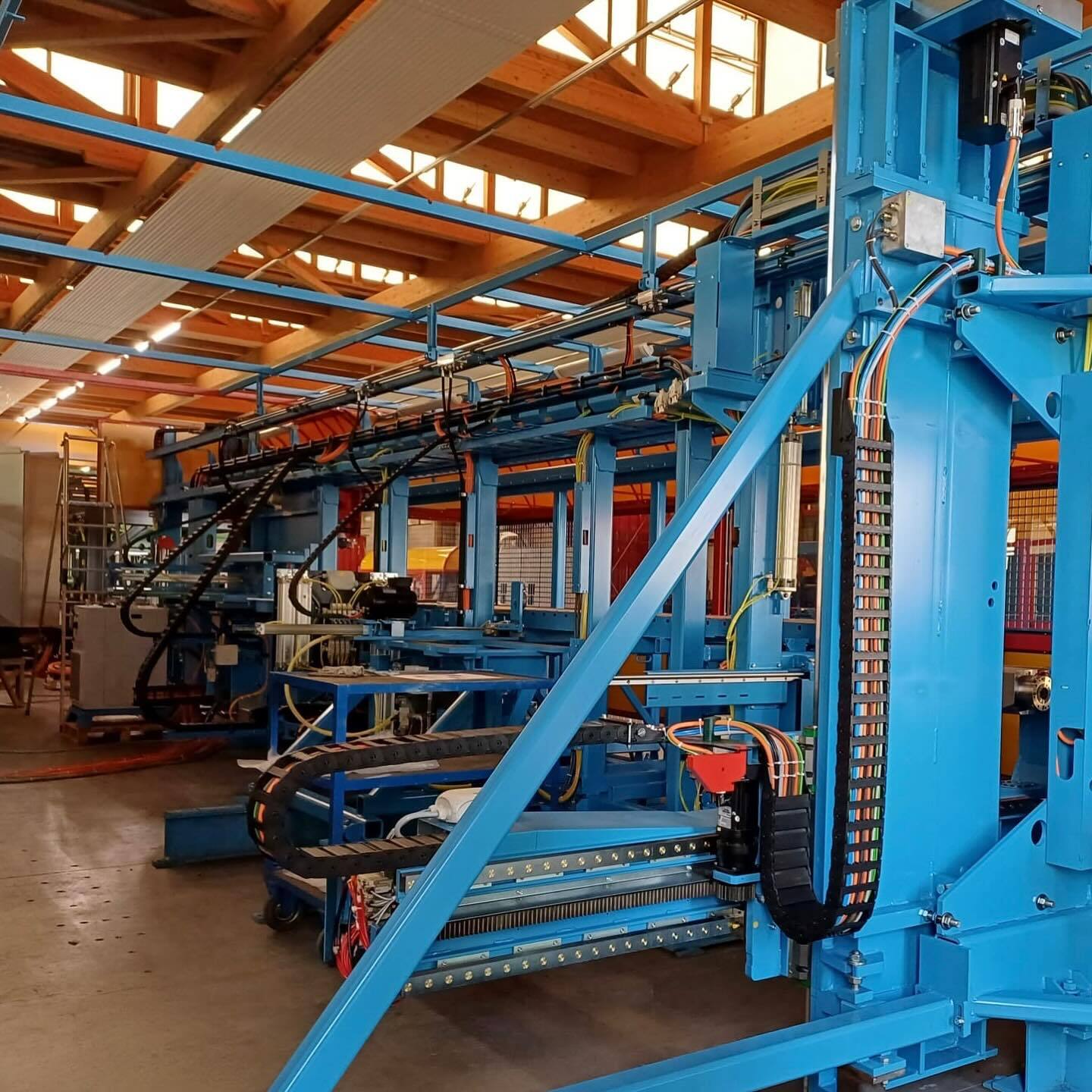
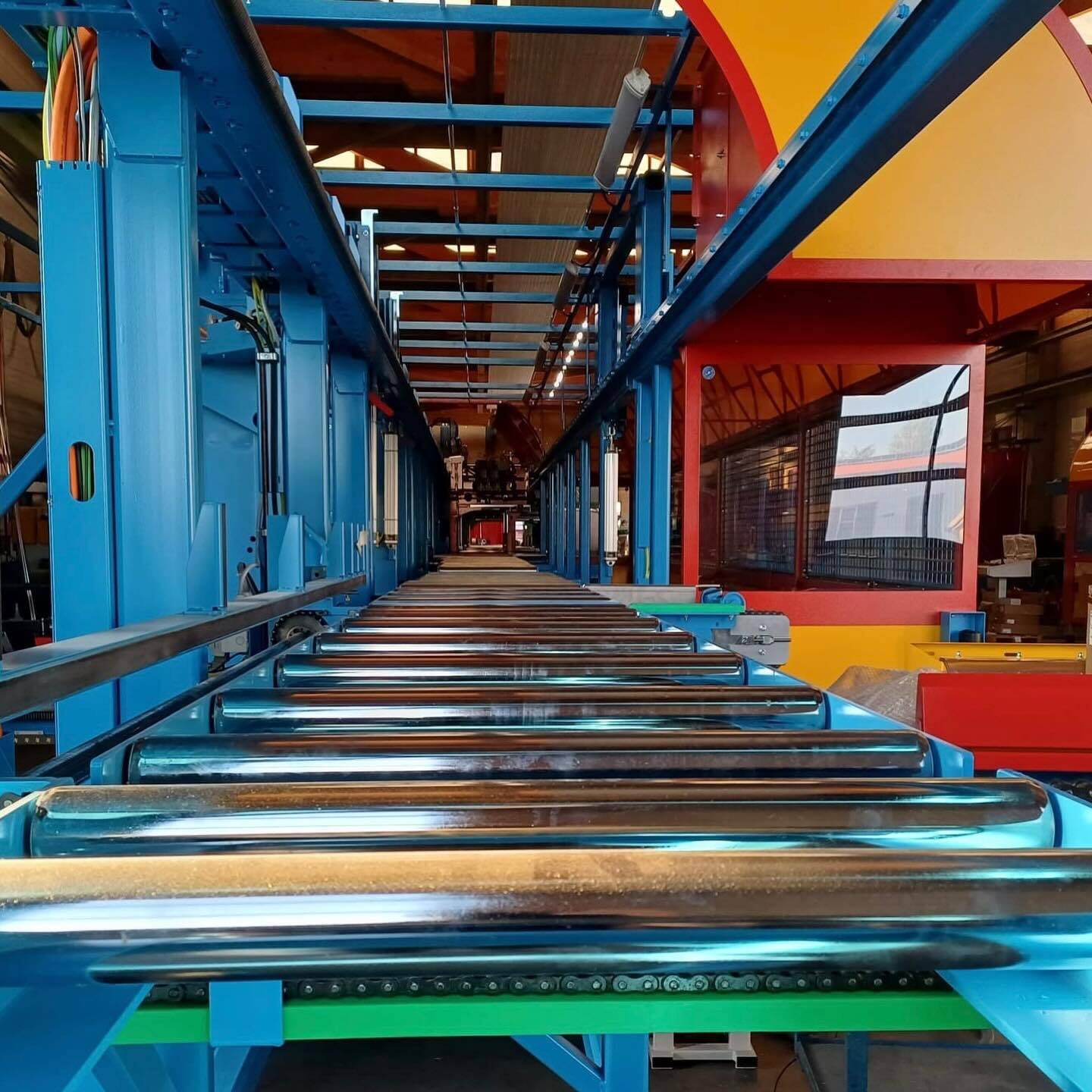
Currently, Ollikainen is expanding its production hall and installing a new Hundegger CNC machine. With the installation, machinings will become even more versatile, and the processing of logs and other elements will be faster and increasingly precise. The new log machine, Finland’s most modern, equipped with servo technology, was commissioned at the end of 2025. It enables more efficient and accurate log production and helps optimize material waste more effectively.